
Cosmetic lip tattooing has become one of the most popular beauty treatments for those looking to enhance their natural beauty while saving time on their daily makeup routine. It’s an innovative, semi-permanent procedure that offers various benefits, particularly for those who want to achieve more symmetrical lips without resorting to traditional lip fillers. This guide will delve into the procedure, its advantages, post-care tips, and whether or not it’s the right choice.
Let’s Get Straight To The Point
Cosmetic lip tattooing, or lip blush, is a popular semi-permanent makeup technique that enhances the natural colour and shape of the lips. It offers a fuller, more symmetrical appearance with a soft, natural finish that lasts 2-3 years. The procedure involves pigment application through a tattooing machine, with minimal discomfort thanks to numbing agents. Lip tattooing is ideal for individuals with uneven lips, fading color, or a busy lifestyle, though it may not be suitable for those prone to cold sores or seeking a temporary solution.
Post-care includes moisturizing, avoiding sun exposure, and taking antiviral medication if needed. The healing process sees a 40% fade in intensity over a few weeks. Proper aftercare and touch-ups ensure long-lasting results. It’s important to choose an experienced and qualified tattooist to achieve the best outcome.
What is Cosmetic Lip Tattooing?
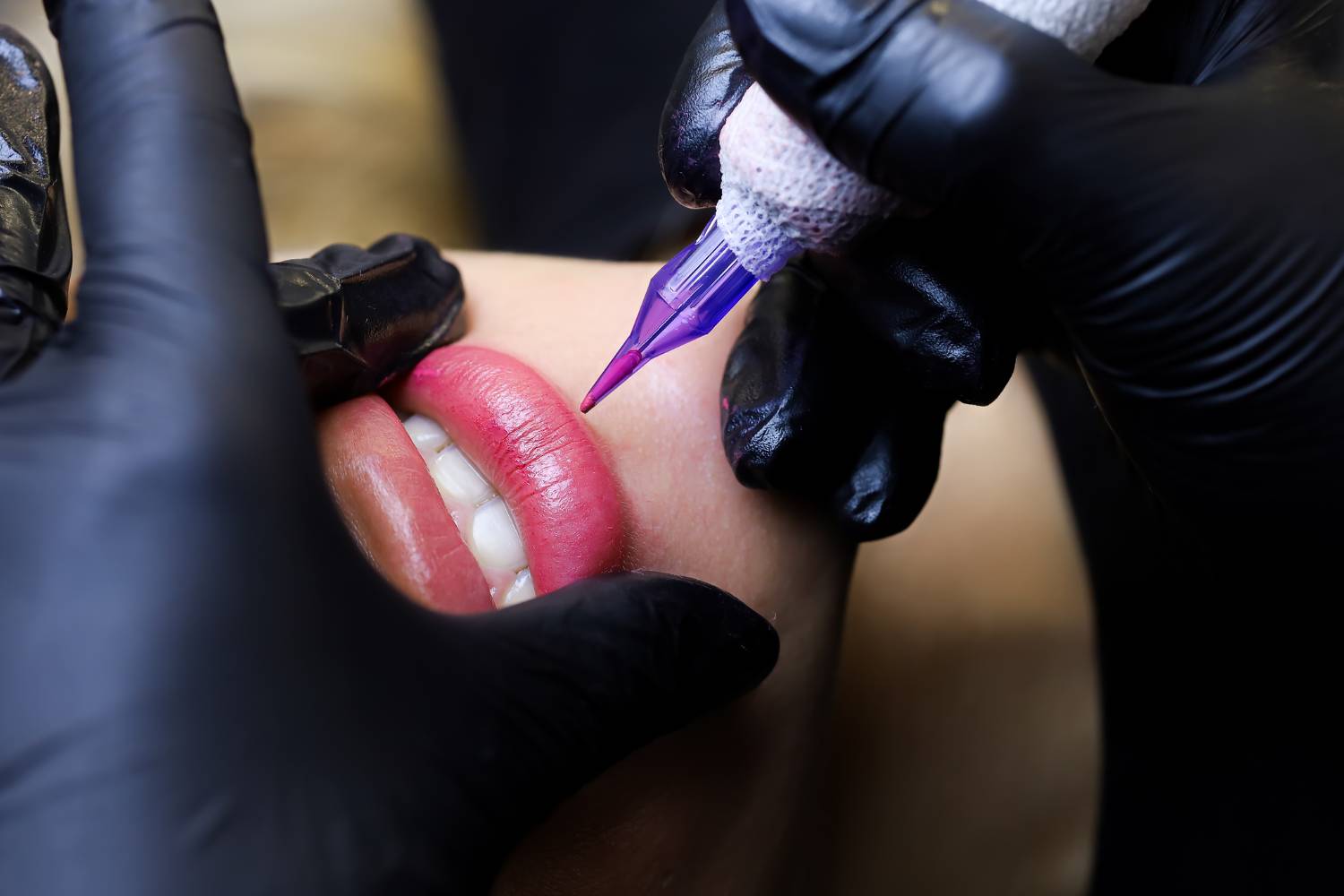
Cosmetic lip tattooing, also known as lip blush or permanent makeup for lips, is a technique where specialised pigments are implanted into the lips using a tattooing machine. The aim is to enhance the natural colour and shape of the lips while offering a soft and natural finish. Unlike traditional tattoos, the results are not permanent but last for several years, depending on skin type and aftercare.
How Does the Procedure Work?
The lip tattooing process involves a series of steps designed to ensure both comfort and excellent results.
- Consultation: Before the procedure begins, the tattooist will discuss your desired outcomes, including color preferences and shape.
- Preparation: A topical anesthetic is applied to the lips to minimize discomfort during the procedure.
- Pigment Application: Using a tattooing machine, the cosmetic tattooist deposits pigments into the lips through a controlled scratching action. This technique helps achieve an even color and fuller appearance.
- Post-Procedure Care: After the procedure, the lips may appear intense and swollen. Proper aftercare is crucial to ensure optimal healing and long-lasting results.
Why Lip Tattooing is a Favorite Procedure
Lip tattooing stands out among other cosmetic procedures for its stunning and long-lasting results. Whether you opt for a subtle tint or a bolder look, the treatment offers flexibility and personalization.
The Stunning Results
One of the primary reasons cosmetic lip tattooing has gained immense popularity is the stunning, natural-looking outcomes it delivers. Here are some reasons why the results are so impressive:
- Natural Tint: The pigment is chosen to complement your natural lip colour, offering a soft, natural finish.
- Fuller Appearance: The procedure can make lips look fuller and more symmetrical, adding a youthful touch to your appearance.
- Defined Shape: It enhances the shape of your lips, correcting any asymmetry or unevenness.
- Color Customization: Whether you prefer a neutral hue or a bold red, the procedure allows you to choose a color that best suits your style.
Is Lip Tattooing Right for You?
While lip tattooing is suitable for many, it’s essential to understand whether this procedure aligns with your needs and expectations.
Who Benefits the Most?
Lip tattooing is ideal for individuals experiencing any of the following:
- Uneven Lips: If your lips are asymmetrical, this treatment can provide balance.
- Fading Lip Color: Over time, lips can lose their natural color. Lip tattooing restores vibrancy and a healthy appearance.
- Age-Related Changes: As we age, our lips tend to shrink and lose volume. This procedure enhances fullness without requiring fillers.
- Lip Lines: If you have fine lines around your lips, this treatment can soften their appearance, giving you smoother skin.
- Low Maintenance: This procedure is perfect for those who prefer minimal makeup application but still want to look polished.
- Busy Lifestyle: If you’re always on the go and need more time for daily lipstick application, lip tattooing is a fantastic solution.
- Natural Aging: Lip tattooing offers a subtle, youthful appearance for individuals who want to age gracefully and enhance their natural beauty.
Who Might Want to Avoid It?
While cosmetic lip tattooing works for most people, there are certain cases where it may not be the best fit. You might want to reconsider this treatment if:
- You are prone to cold sores: Lip tattooing can sometimes trigger cold sores. However, cosmetic tattooists can recommend preventive measures like taking antiviral medication before the procedure.
- It would be best if you prepared for the aftercare: Proper aftercare is essential for achieving the best results. If you cannot commit to the post-treatment routine, this procedure might not be for you.
- You prefer a temporary solution: Although lip tattooing is semi-permanent, it lasts for 2-3 years. Traditional makeup might be a better choice if you’re looking for something more temporary.

Post-Procedure Care for Long-Lasting Results
Proper aftercare following lip tattooing is critical for both your comfort and the longevity of the results. Here’s what you need to know:
Immediate Aftercare
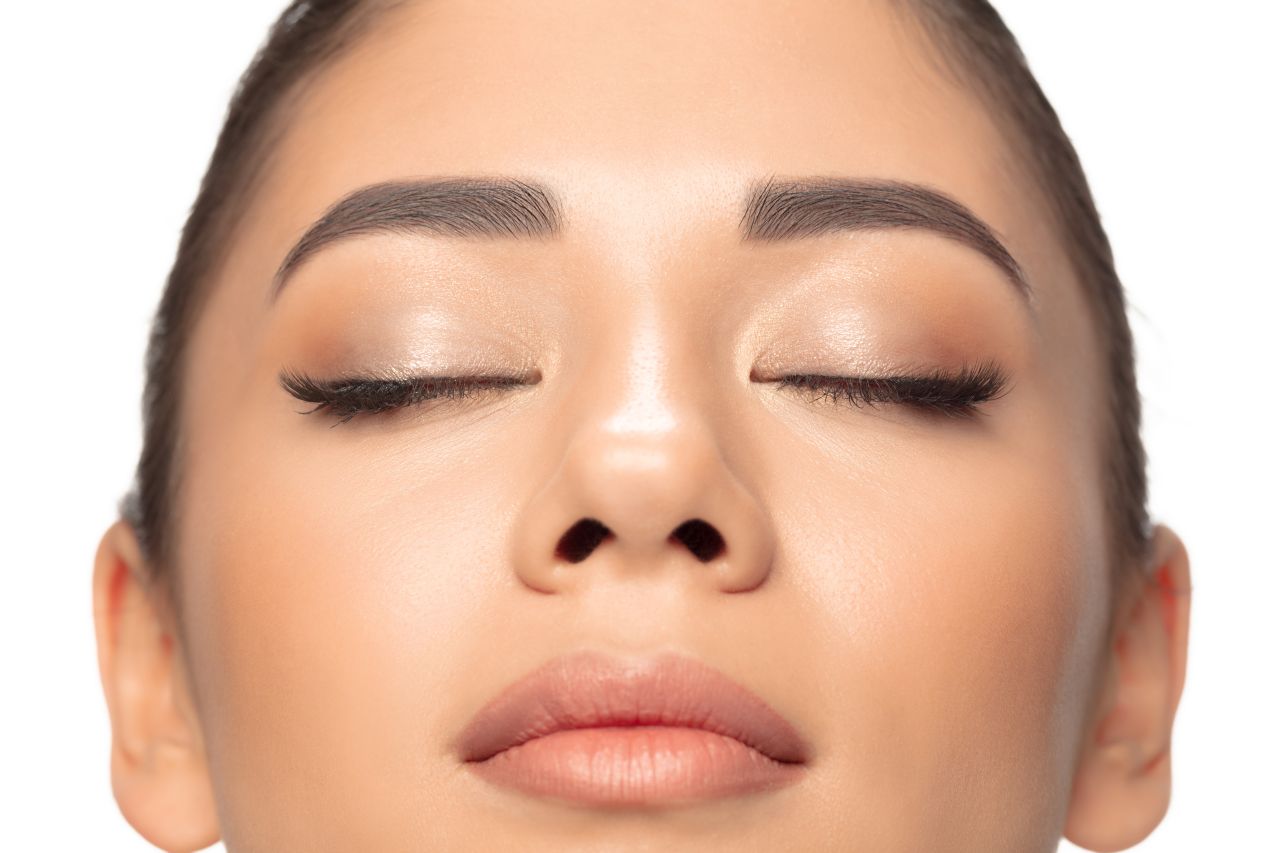
After the procedure, your lips will appear brighter and more intense than the final outcome. This intensity will gradually fade as the lips heal, typically by about 40%. Here are a few key things to keep in mind:
- Moisturize Regularly: Use products like Bepanthen cream or Vaseline to hydrate your lips. This will help prevent tightness and speed up the healing process.
- Avoid Special Events: For the first 48 hours after the procedure, your lips will be quite intense in color, so it’s best to avoid any social events during this time.
- Prevent Cold Sores: If you’re prone to cold sores, discuss prevention with your tattooist. Taking antiviral medications like Famvir can help reduce the risk of flare-ups during the healing process.
Ongoing Care
The healing process typically takes a few weeks, with the most noticeable colour fading occurring within the first 10 days. After this period, your lips will settle into a soft, natural shade. To maintain the results, you should:
- Avoid Sun Exposure: Sun can cause the pigment to fade more quickly. Make sure to apply SPF to your lips if you’re spending time outdoors.
- Stay Hydrated: Drink plenty of water to keep your lips hydrated and prevent dryness.
- Consider Touch-Ups: Results typically last between 2-3 years. However, some people may require touch-ups to keep their lips looking vibrant and fresh.
Common Questions and Concerns About Lip Tattooing
It’s natural to have some concerns or questions before undergoing a cosmetic procedure. Here are a few common questions and their answers to help you make an informed decision.
Does Lip Tattooing Hurt?
One of the most common concerns about lip tattooing is the pain level. Thanks to modern numbing agents, the procedure is relatively comfortable for most clients. While you may feel a slight scratching sensation, the anesthetic used ensures that discomfort is minimal.
How Long Does the Procedure Take?
The entire process, including the initial consultation, pigment selection, and the actual tattooing, usually takes about 2-3 hours. The actual tattooing process itself lasts about an hour, depending on the complexity of the treatment.
What Happens If I Don’t Like the Results?
It’s essential to choose a highly qualified and experienced cosmetic tattooist to ensure you get the results you desire. During your consultation, you will have the opportunity to discuss your colour and shape preferences. However, if you’re not completely satisfied with the outcome, additional touch-up sessions can refine the results.
Choosing the Right Tattooist
Not all cosmetic tattooists are created equal. Ensuring that your tattooist is highly qualified and experienced is key to achieving the best results.
- Experience Matters: Look for a tattooist with extensive experience in lip tattooing, as this ensures a higher level of precision and artistry.
- View Portfolio: Ask to see a portfolio of previous work, particularly focusing on before-and-after photos of lip tattooing procedures.
- Consultation: A good tattooist will offer a thorough consultation, ensuring they understand your expectations and goals before the procedure begins.
Conclusion
Cosmetic lip tattooing offers a fantastic solution for those looking to enhance their natural beauty without the daily hassle of applying lipstick or worrying about uneven lip shapes. With long-lasting results, minimal pain, and various colour options, this procedure is suitable for many people. Lip tattooing provides flexibility and personalisation, whether you’re seeking a subtle enhancement or a more dramatic change.
If you’re interested in exploring this procedure, it’s essential to choose a skilled tattooist and follow the necessary aftercare steps to ensure the best possible results. For those looking to age gracefully while maintaining a youthful appearance, lip tattooing is a perfect option that delivers stunning, long-lasting effects.
FAQs About Lip Tattoo
Does Cosmetic Lip Tattooing Hurt?
Thanks to the use of topical numbing agents, the procedure is relatively painless for most clients. You may feel a mild scratching sensation during the treatment, but discomfort is generally minimal.
How Long Does The Procedure Take?
The entire procedure, including consultation, colour selection, and the tattooing process, usually takes about 2–3 hours. The actual tattooing lasts around an hour, depending on the complexity of the desired look.
What Can I Expect During The Healing Process?
Initially, your lips will appear more intense in colour and may feel slightly swollen. Over the next few weeks, the colour will fade by about 40%, and your lips will settle into a softer, more natural shade. Full healing typically takes about 10 days to a few weeks.
Who Is A Good Candidate For Cosmetic Lip Tattooing?
Ideal candidates are those with uneven lips, fading lip colour, lip lines, or individuals seeking a more low-maintenance beauty routine. It’s also suitable for those who want to enhance lip fullness without fillers.
Are There Any Risks Or Side Effects?
The most common side effects are temporary swelling and redness. Those prone to cold sores may experience flare-ups, but preventive antiviral medication can help. It’s crucial to follow aftercare instructions to avoid complications like infection.