
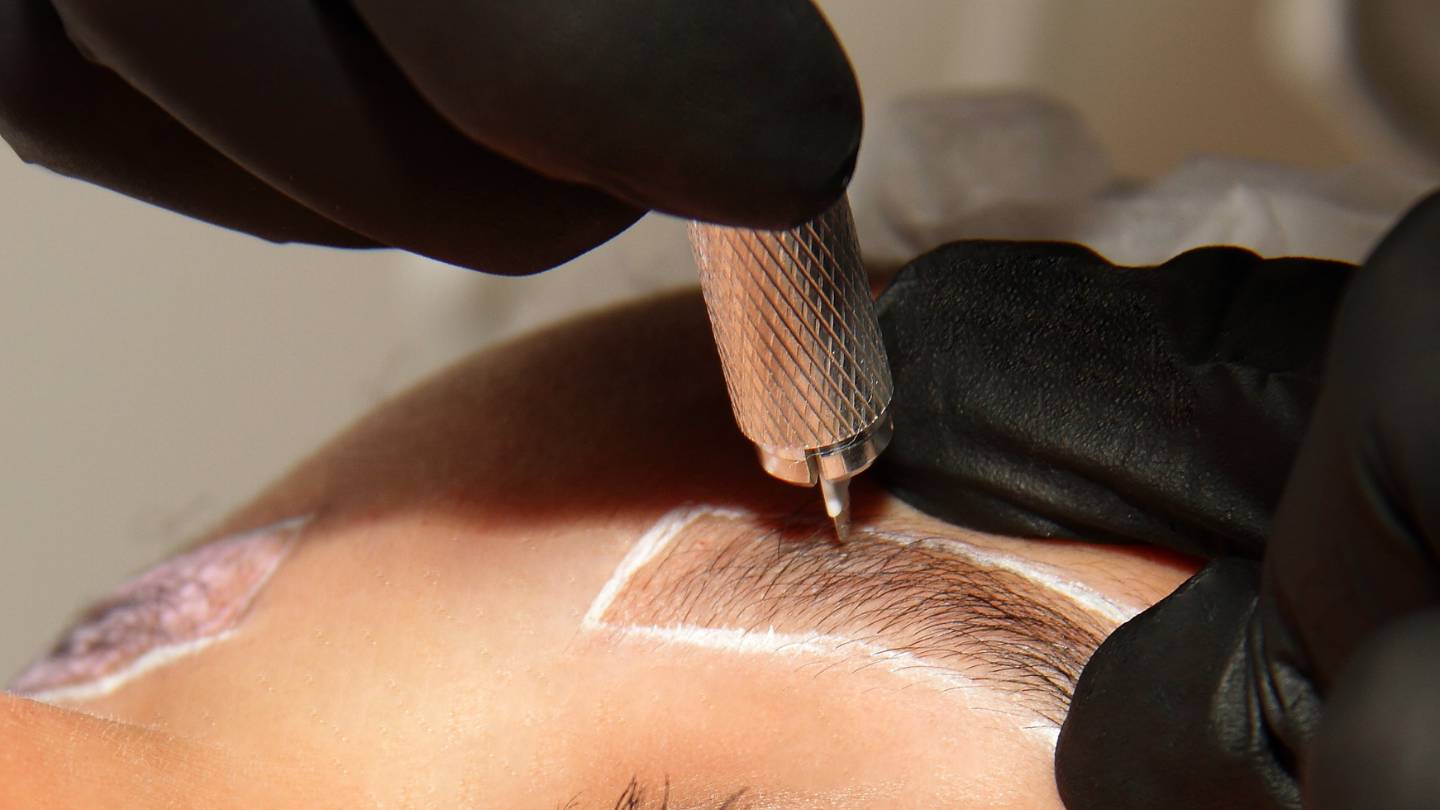
This popular semi-permanent makeup technique offers a gradient-filled, softer appearance, revolutionising how we think about eyebrow enhancement. However, as with any cosmetic procedure that involves breaking the skin's surface, there's a potential risk of infection. Recognising the signs of an infection early on is crucial to ensure the health and safety of your skin and the longevity and aesthetic success of your ombre brows. This blog will identify an infection in your ombre brows tattoos. Whether you're considering this beauty treatment for the first time or are currently in the healing phase, understanding the signs of infection, the preventive measures to take, and the steps to follow if you suspect an infection is essential. From red flags to watch out for to professional advice on care and treatment, let's navigate through the necessary knowledge to keep your ombre brows looking flawless and infection-free. Join us as we answer the pivotal question: How do I know if my ombre brows tattoo is infected?
Signs Of Infection
Recognising the signs of infection in ombre brow tattoos is crucial for ensuring both the health of your skin and the longevity of your cosmetic enhancement. While ombre brow tattoos share similarities with microblading regarding the procedure and potential risks, the signs of infection remain consistent across semi-permanent makeup techniques. Drawing from various expert sources, here's what you need to know about identifying infection in your ombre brows tattoos:
- Redness and Swelling: It's normal to experience some redness and swelling immediately after the procedure. However, if these symptoms persist beyond a few days or worsen, it could indicate an infection.
- Pain and Discomfort: While some discomfort is expected during the healing process, persistent or increasing pain is not normal and may signal an infection.
- Heat: An infected area may feel warmer than the surrounding skin, indicating inflammation and possible infection.
- Discharge: Any unusual discharge, especially if it's yellow, green, or brownish, is a clear sign of infection. This discharge may also have an unpleasant odour.
- Fever and Chills: Experiencing systemic symptoms like fever and chills suggests that the infection could be more severe and have spread beyond the tattooed Area.
Infections can occur for various reasons, including improper aftercare, unsterile equipment, or the body's reaction to the pigment. To prevent infections, it's essential to follow aftercare instructions meticulously, choose a reputable and licensed artist, and ensure that all equipment used is sterile.
If you suspect your ombre brows tattoo is infected, the first step is to contact your artist or a medical professional. They may advise on specific care instructions or prescribe medication to treat the infection. Over-the-counter antibiotic ointments may sometimes be recommended, but it's crucial to seek professional advice to avoid worsening the condition.
Preventing infections starts with choosing a skilled and conscientious artist, adhering to aftercare protocols, and maintaining good hygiene during healing. By being informed and vigilant, you can enjoy the benefits of your ombre brows tattoos without the complications of an infection.
Causes Of Infection
Understanding infection causes in ombre brow tattoos is essential for anyone considering or having undergone this popular semi-permanent makeup procedure. Despite the beauty and convenience ombre brows offer, the risk of infection, although low, exists and can impact the healing process and final appearance of your brows. Drawing insights from various expert sources, let's explore the primary causes of infection in ombre brows tattoos and how to mitigate these risks.
Poor Aftercare Practices
One of the leading causes of infection is not adhering to proper aftercare instructions. Ombre brow tattoos create micro-wounds in the skin that require careful maintenance to heal correctly. Refrain from following these guidelines, such as keeping the Area clean and dry, avoiding makeup, and not touching the brows, as this can introduce bacteria to the wounds, leading to infection.
Unsterile Equipment And Environment
The procedure's safety relies heavily on sterile equipment and a clean working environment. Infections can occur if the tools used for tattooing are not single-use or adequately sterilised before use. Similarly, an unclean studio environment increases the risk of contaminating the tattooed Area.
Insufficient Artist Training And Experience
The skill and knowledge of the artist performing the ombre brows tattoo significantly affect the risk of infection. Artists need proper training to follow essential health and safety protocols, including skin preparation and aftercare advice. Choosing a well-trained, experienced, and certified artist minimises infection risks.
Improper Skin Care Products
The use of inappropriate aftercare products can also lead to infections. Heavy ointments or creams not recommended by the artist can clog pores and trap bacteria, preventing the skin from breathing and healing correctly. It's vital to use only the products advised by your artist and avoid any harsh skincare products that could irritate the Area.
Client's Skin Condition
Clients with certain skin conditions or sensitivities may be more prone to developing infections. Oily skin, for example, can affect how the skin absorbs and retains pigment, potentially leading to issues during the healing process. Discussing your skin type and concerns with your artist before the procedure can help tailor the aftercare to your needs.
Touching And Picking At The Brows
Human hands carry many bacteria, and touching or picking at healing brows can quickly introduce these germs to the sensitive Area, leading to infection. It's essential to resist the urge to touch or scratch the brows, even if they become itchy during healing.
Exposure To Water And Sweat
Exposing the tattooed Area to water and sweat before it has fully healed can also cause infections. Water can wash away the protective scab that forms over the tattoo, exposing it to bacteria, while sweat can introduce additional bacteria and irritate the skin.
Preventive Measures
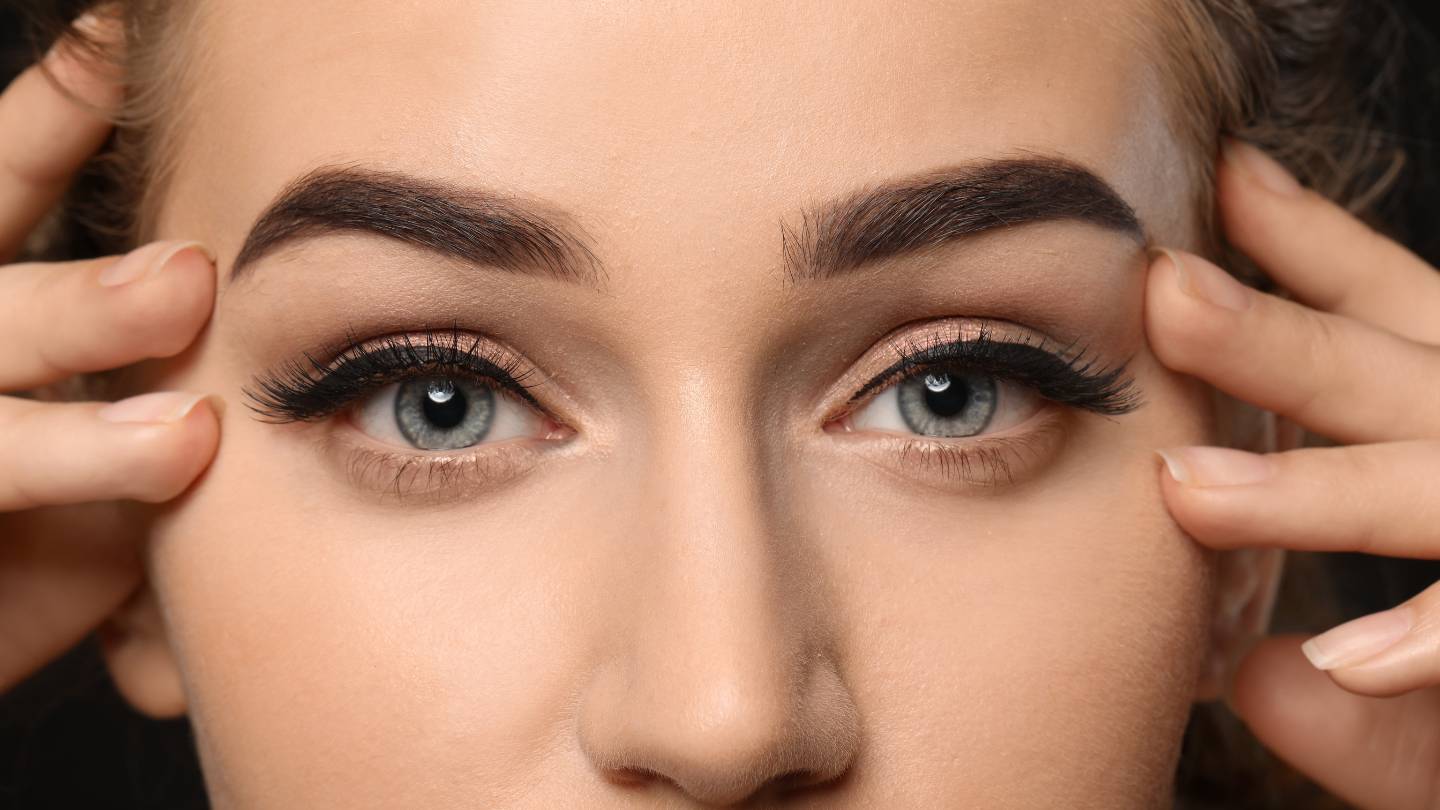
Ensuring the longevity and beauty of your ombre brows tattoo starts with taking the proper preventive measures. Ombre brows, a popular semi-permanent makeup technique, require meticulous care to prevent infections and ensure optimal healing. Drawing from expert advice across the beauty industry, here are critical preventive measures to help maintain the integrity of your ombre brows tattoo and achieve the best possible results.
Choose A Reputable Artist And Studio
The importance of selecting a skilled and certified artist cannot be overstated. Look for artists with a solid portfolio, positive reviews, and adherence to health and safety standards. A reputable studio should maintain a clean, sterile environment and use single-use needles and high-quality pigments.
Follow Aftercare Instructions Diligently
Aftercare is crucial in the healing process of ombre brow tattoos. Your artist will provide specific instructions tailored to your skin type and the procedure. Standard guidelines include:
- I am keeping the Area clean and dry.
- I am avoiding makeup and skincare products on my brows.
- Do not touch or pick at the healing skin.
Use Recommended Aftercare Products
Applying the correct aftercare products aids in the healing process and prevents infections. Use products your artist recommends, typically gentle, fragrance-free cleansers and specific healing ointments. Avoid heavy creams or skincare products containing irritants or exfoliants that can disrupt healing.
Protect Your Brows From Sun Exposure
UV rays can fade the pigment of your ombre brows tattoo and hinder healing. Once healed, apply a high-SPF sunscreen to the brow area when exposed to the sun to maintain the vibrancy of your tattoo.
Keep The Area Dry
Water can interfere with the healing of your ombre brows tattoo. Avoid submerging your brows in water, and when showering, keep your face away from direct streams of water. Pat the Area gently if it gets wet, and avoid swimming pools, saunas, and excessive sweating during the initial healing period.
Avoid Makeup And Harsh Skincare Products
Makeup and certain skincare products can introduce bacteria to the healing brows and cause infections. Please refrain from using makeup on the brows until they have fully healed. Additionally, avoid skincare products with active ingredients like retinol, acids, and exfoliants near the brow area during healing.
Monitor The Healing Process
Keep an eye on the healing of your ombre brows tattoo. Routine healing includes mild redness, swelling, and scabbing. If you notice any signs of infection or unusual symptoms, contact your artist or a healthcare provider immediately.
Schedule Touch-Ups Wisely
Touch-ups are an integral part of maintaining ombre brow tattoos, but timing is key. As advised by your artist, wait until your brows have fully healed before considering a touch-up, usually several weeks to a few months after the initial procedure.
FAQs About Ombre Brows Tattoos
The initial signs of infection include increased redness and swelling around the tattooed Area, pain or discomfort that doesn't subside, unusual warmth to the touch, and any discharge, especially if it's yellow, green, or brown.
Yes, in some cases, an infection from an ombre brows tattoo can lead to systemic symptoms such as fever and chills. This indicates that the infection might be more severe and requires immediate medical attention.
Infections can be caused by several factors, including improper aftercare, using unsterile equipment, insufficient artist training, inappropriate aftercare products, touching or picking at the healing brows, and exposure to water and sweat.
To prevent infection, follow your artist's aftercare instructions carefully, ensure your artist uses sterile equipment, avoid touching or wetting your brows unnecessarily, and use any recommended aftercare products as directed.
If you suspect an infection, contact the artist who performed your tattoo or seek medical advice. You may be advised to clean the Area gently and apply the prescribed ointment. Avoid picking at or applying pressure to the Area.
What To Do If You Suspect An Infection
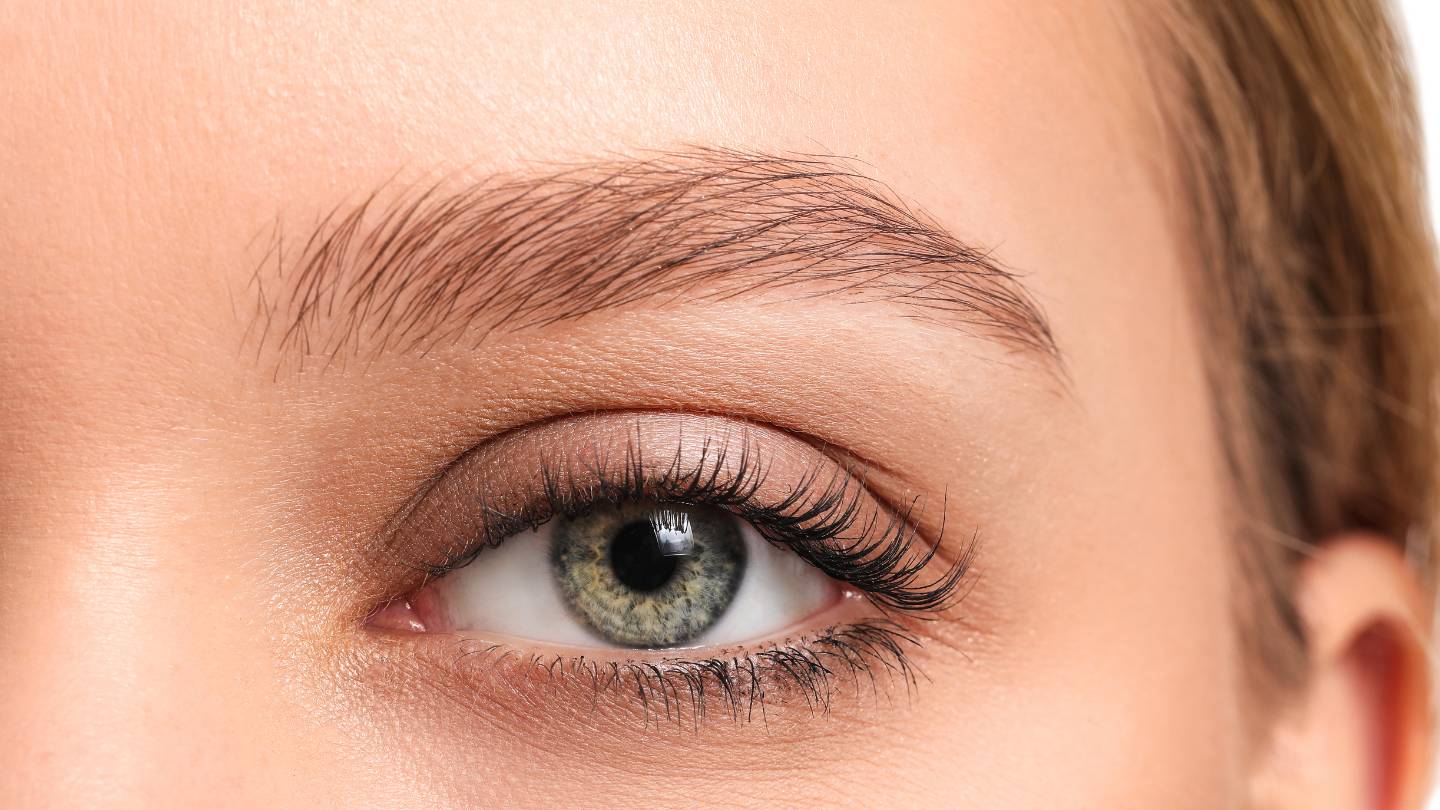
If you've recently had an ombre brows tattoo and are concerned about a possible infection, it's crucial to recognise the signs early and take appropriate action. While rare, infections can occur, and knowing how to respond can prevent further complications and ensure the health of your skin. Here's a comprehensive guide on what to do if you suspect an infection in your ombre brows tattoo, based on expert advice from the field.
Recognise The Signs Of Infection
First, it's essential to differentiate between typical healing symptoms and signs of infection. While some redness, swelling, and tenderness are expected in the first few days post-procedure, specific symptoms may indicate an infection, including:
- Increased redness and swelling that extends beyond the tattooed Area
- Persistent or worsening pain
- Warmth in the Area indicates inflammation.
- Unusual discharge, such as pus, which may be yellow, green, or brown
- A foul odour emanating from the tattooed Area
- Fever or chills, indicating a systemic response to infection
Immediate Steps To Take
- Contact Your Artist or a Healthcare Provider: Contact the professional who performed your ombre brows tattoo when you suspect an infection. They can offer specific advice based on their knowledge of your case. However, don't hesitate to consult a healthcare provider, especially if symptoms are severe or worsening.
- Keep the Area Clean: Gently clean the Area with a mild, fragrance-free soap and water. Avoid harsh chemicals or alcohol-based products, which can irritate the skin further.
- Apply Prescribed Ointment: If your artist or healthcare provider recommends an antibiotic ointment, apply it as directed. This can help combat bacterial infections. However, use ointment with professional advice, as some products can exacerbate the issue.
- Avoid Touching or Picking: It's vital to avoid touching or picking the tattooed Area. Doing so can introduce more bacteria and hinder the healing process.
- Document Symptoms: Take photos of your brows to document the progression of symptoms. This can help your artist or healthcare provider assess the situation and recommend the next steps.
Seeking Medical Attention
If infection symptoms persist or worsen, it's imperative to seek medical attention promptly. A healthcare provider can assess the severity of the infection and may prescribe oral antibiotics or other treatments to address the infection effectively. In some cases, medical intervention is necessary to prevent the spread of the infection and ensure your overall health and safety.
Preventing Future Infections
Prevention is crucial in avoiding infections in ombre brow tattoos. Ensure you follow all aftercare instructions from your artist, choose a reputable professional who practices proper hygiene and sterilisation techniques, and take care of your overall health to support the healing process.
Conclusion
Ombre brow tattoos are a popular semi-permanent makeup technique that offers a gradient-filled, softer appearance. However, there is a potential risk of infection, which can impact the health and safety of the skin and the longevity and aesthetic success of the tattoo. To identify an infection in your ombre brows tattoo, follow these signs: redness and swelling, pain and discomfort, heat, discharge, fever, and chills.
Infections can occur for various reasons, including improper aftercare, unsterile equipment, or the body's reaction to the pigment. To prevent infections, follow aftercare instructions meticulously, choose a reputable and licensed artist, and ensure all equipment used is sterile. If you suspect an infection, contact your artist or a medical professional for specific care instructions or to prescribe medication.
Preventing infections starts with choosing a skilled and conscientious artist, adhering to aftercare protocols, and maintaining good hygiene during healing. By being informed and vigilant, you can enjoy the benefits of your ombre brows without the complications of an infection.
Causes of infection in ombre brow tattoos include poor aftercare practices, unsterile equipment and environment, insufficient artist training and experience, inappropriate skin care products, the client's skin condition, touching or picking at the brows, and exposure to water and sweat. By understanding these signs and taking preventive measures, you can ensure the longevity and aesthetic success of your ombre brow tattoo.
Ombre brow tattoos require meticulous care to prevent infections and ensure optimal healing. To maintain the longevity and beauty of your tattoo, follow these preventive measures:
Choose a reputable artist and studio with a solid portfolio, positive reviews, and adherence to health and safety standards. A reputable studio should maintain a clean, sterile environment and use single-use needles and high-quality pigments.
Follow aftercare instructions carefully, following specific guidelines from your artist. Standard guidelines include:
- I am keeping the Area clean and dry.
- I am avoiding makeup and skincare products on my brows.
- I am not touching or picking at the healing skin.
Protect your brows from sun exposure, keeping it dry and avoiding makeup and harsh skincare products.
Monitor the healing process, observing redness, swelling, and scabbing signs. If you notice any signs of infection or unusual symptoms, contact your artist or a healthcare provider immediately.
Schedule touch-ups wisely, waiting until the brows have fully healed before considering a touch-up.
If you suspect an infection, recognise the signs early and take appropriate action. Use gentle, fragrance-free soap and water, apply prescribed ointments, avoid touching or picking, document symptoms, and seek medical attention if symptoms persist or worsen.
Preventing future infections is crucial, so follow aftercare instructions, choose a reputable professional, practice proper hygiene and sterilisation techniques, and prioritise your overall health to support the healing process.
Content Summary
- Ombre brow tattoos are a sought-after semi-permanent makeup choice, celebrated for their gradient and soft appearance.
- Despite their popularity, there's a risk of infection that could affect the skin's health and the tattoo's beauty.
- Identifying an infection involves looking for symptoms such as redness, swelling, discomfort, warmth, unusual discharge, and possibly fever or chills.
- Several factors can lead to infection, including not following aftercare properly, using unsterilised equipment, or adverse reactions to the pigment.
- To avoid infections, it's crucial to adhere strictly to aftercare instructions, select a reputable artist, and ensure the use of sterile equipment.
- Suspecting an infection necessitates immediate contact with your artist or a healthcare professional for advice or treatment.
- Choosing a skilled artist, following aftercare guidelines, and maintaining cleanliness are key to enjoying ombre brows without infection.
- Infections can stem from inadequate aftercare, contaminated environments, lack of artist expertise, unsuitable skincare products, the client's skin condition, tampering with the brows, or exposure to moisture and sweat.
- Understanding these causes and taking preventive steps are essential for the tattoo's long-term success and appearance.
- To preserve your ombre brows tattoo, it's important to select a reputable artist and studio known for their hygiene and quality.
- Detailed aftercare is vital for healing, including keeping the Area clean, avoiding makeup, and not scratching or touching the brows.
- Sun protection, keeping the brows dry, and removing makeup and harsh skincare products are crucial for tattoo maintenance.
- Monitoring the healing process and being alert to any signs of infection is important for timely intervention.
- Touch-ups should be planned cautiously, ensuring the brows are fully healed before additional work.
- Early detection and appropriate response to infection signs are crucial for managing potential complications.
- Gentle cleaning, using recommended ointments, avoiding interference with the brows, documenting changes, and seeking medical advice if needed are steps to take if infection is suspected.
- Preventing future infections involves careful aftercare, choosing skilled professionals, practising sterilisation, and prioritising overall health for better healing.
- By being informed and proactive, individuals can enjoy the aesthetic benefits of ombre brow tattoos while minimising the risk of infection.
- The health and safety of the skin, along with the tattoo's longevity and aesthetic appeal, depend on recognising and addressing infection risks.
- Proper aftercare, sterile practices, and professional guidance are fundamental to healing ombre brow tattoos successfully.
- Awareness of infection symptoms and causes helps in taking timely preventive and corrective actions.
- The artist's role and the client's adherence to aftercare instructions are pivotal in preventing infections.
- Ensuring high-quality pigments and equipment contribute to ombre brows tattoos' safe and effective application.
- The healing process requires patience, attention to detail, and compliance with professional advice to avoid complications.
- Vigilance in monitoring the tattoo's healing and responding to unusual signs is essential for maintaining skin health.
- The choice of aftercare products should align with professional recommendations to support the healing process.
- Avoiding direct sun exposure and applying sunscreen can protect the tattoo from fading and support skin recovery.
- Keeping the tattooed Area dry and clean is crucial in the initial healing stages to prevent bacterial growth.
- Refraining from makeup and certain skincare products helps avoid irritation and potential infection.
- Touch-ups should be scheduled based on the tattoo's healing progress and the artist's assessment.
- Recognising the early signs of infection allows prompt action to mitigate health risks.
- Consulting with a healthcare professional is advisable when infection symptoms persist or worsen.
- Documenting the healing process can assist healthcare providers in diagnosing and treating infections.
- Preventive measures play a key role in ensuring the successful outcome of ombre brows tattoos.
- The collaboration between the client and the artist is crucial in achieving optimal healing and aesthetic results.
- Education on the potential risks and proper care of semi-permanent makeup benefits clients.
- The beauty industry's commitment to safety and hygiene standards protects clients from health risks.
- Ombre brow tattoos offer a way to enhance natural beauty with semi-permanent makeup solutions.
- The technique's popularity underscores the importance of understanding and managing infection risks.
- Successful healing and satisfaction with ombre brow tattoos depend on careful planning and aftercare.
- The semi-permanent nature of the tattoo requires ongoing care to maintain its appearance and prevent infections.
- The collaborative effort between artists and clients ensures the health and beauty of ombre brows tattoos.
- Adhering to aftercare protocols is a shared responsibility that benefits the client and the artist.
- The potential for infection underscores the need for vigilance and adherence to professional guidelines.
- The aesthetic success of ombre brow tattoos is achievable with proper care and attention to health and safety.
- The risk of infection can be minimised through educated choices and diligent aftercare practices.
- The healing journey of ombre brow tattoos is a testament to the importance of following professional advice.
- The satisfaction with semi-permanent makeup is enhanced by understanding and preventing potential complications.
- The role of professional expertise in the application and care of ombre brow tattoos is invaluable.
- Pursuing beauty through semi-permanent makeup like ombre brows tattoos is enriched by a commitment to health and safety.