
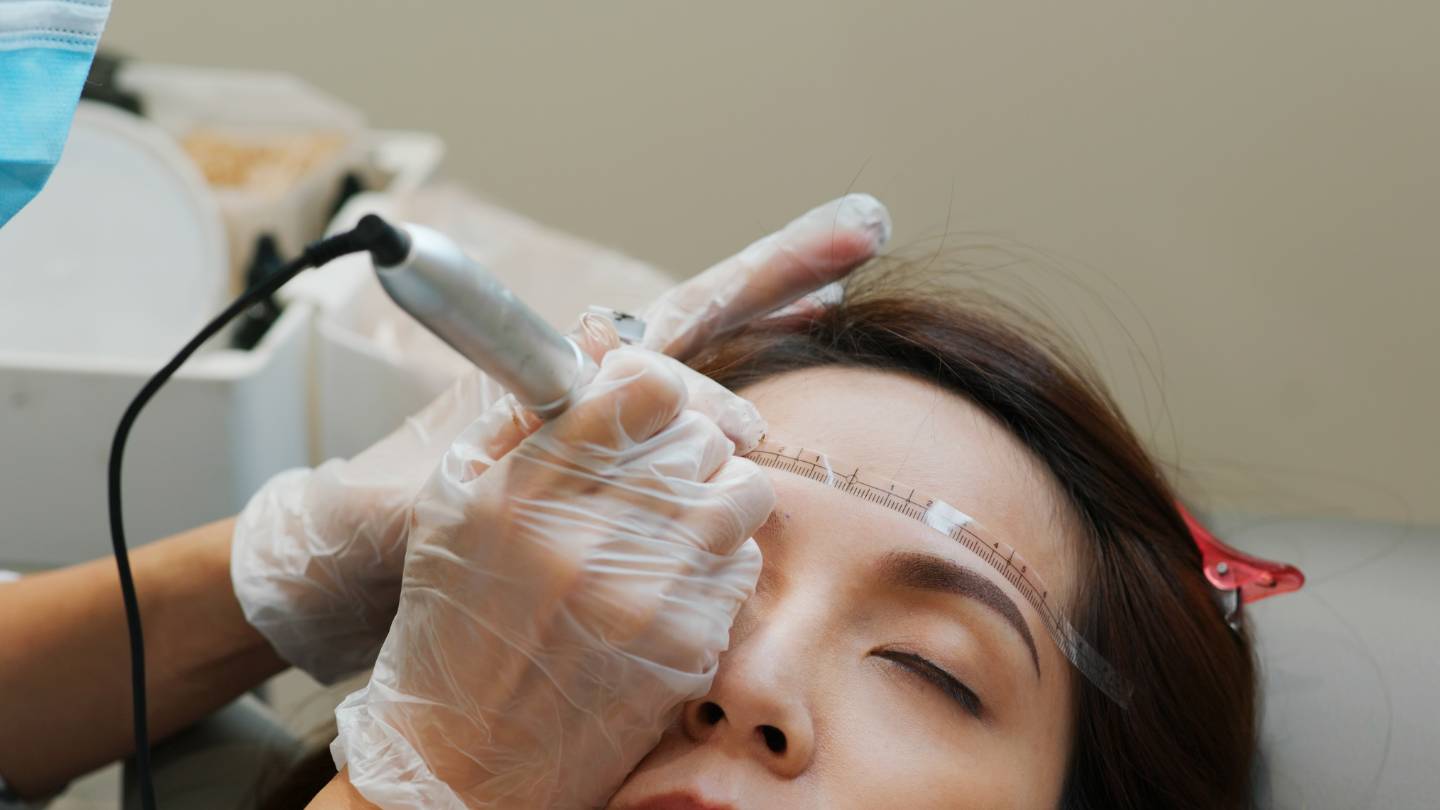
However, tucked away inside this transforming process is a phase known as the ghosting period, which frequently takes many people by surprise. This fascinating recovery period is crucial, but it is only sometimes publicised, which leaves many people needing clarification about what to anticipate after their ombre eyebrow surgery. Within the confines of this blog, we delve into the core of the ghosting period, revealing its intricacies and throwing light on what it involves for your newly adorned brows. Understanding the ghosting stage is vital for creating realistic expectations and ensuring a smooth path to achieving those lovely, flawlessly shaded brows. This is true whether you are presently navigating through your post-treatment journey or planning on getting ombre eyebrow tattoos soon. Join us as we delve into the complexities of this crucial phase of the healing process, providing you with insights, advice, and reassurance at every stage.
The Healing Journey: From Application To Final Look
Embarking on the journey of getting ombre eyebrow tattoos is an exciting process that promises beautifully defined brows without the daily hassle of makeup. However, the path from application to achieving the final look involves a critical healing phase, which is fascinating and pivotal for the outcome. This journey, often filled with anticipation and care, ensures that the semi-permanent makeup settles perfectly to reveal your dream eyebrows. Here's a comprehensive overview, drawing insights from various expert sources to guide you through this transformative experience.
Initial Days: Post-Application Observations
Immediate Aftercare: Right after the ombre powder application, it's normal for the eyebrows to appear darker and more defined than expected. This intensity is part of the process, where the pigment is freshly embedded into the skin, often accompanied by slight redness and swelling.
Sensitivity and Tightness: Tightness around the eyebrows is familiar, and the treated area is susceptible. It's crucial to avoid scratching or rubbing the brows to prevent any disturbance to the healing pigment.
The First Week: Navigating Through Changes
Scabbing and Flaking: As the healing progresses, expect a phase of scabbing and flaking, typically starting around the third day. This stage is critical as it signifies the beginning of the healing process, where the skin starts to regenerate and shed the outermost layer.
Maintaining Aftercare Regime: Adhering to a strict aftercare routine is essential during this period. Gentle cleansing and recommended ointments help reduce side effects and promote faster healing.
Mid-Healing Phase: Witnessing The Transformation
Colour Settling: In the days following the initial scabbing, the brows begin to reveal their true colour. This is a phase where the darkness starts to fade, and the actual shade of the pigment emerges, often lighter and more natural-looking than the first impression.
Texture and Evenness: The texture of the brows smoothens, and any initial patchiness starts to even out. This period is crucial for the pigment to settle into the skin properly and blend seamlessly with your natural brows.
Final Stages: Approaching The Desired Outcome
Touch-Ups and Refinements: A touch-up session might be necessary approximately 4 to 6 weeks post-application. This step addresses any areas that require refinement, ensuring the pigment's longevity and enhancing the overall shape and symmetry of the brows.
Complete Healing: By the end of the healing journey, the ombre eyebrow tattoos have fully settled, showcasing the final look. The brows now exhibit a soft, powdered finish with a gradient that beautifully frames the eyes and enhances facial features.
Introducing The Ghosting Period
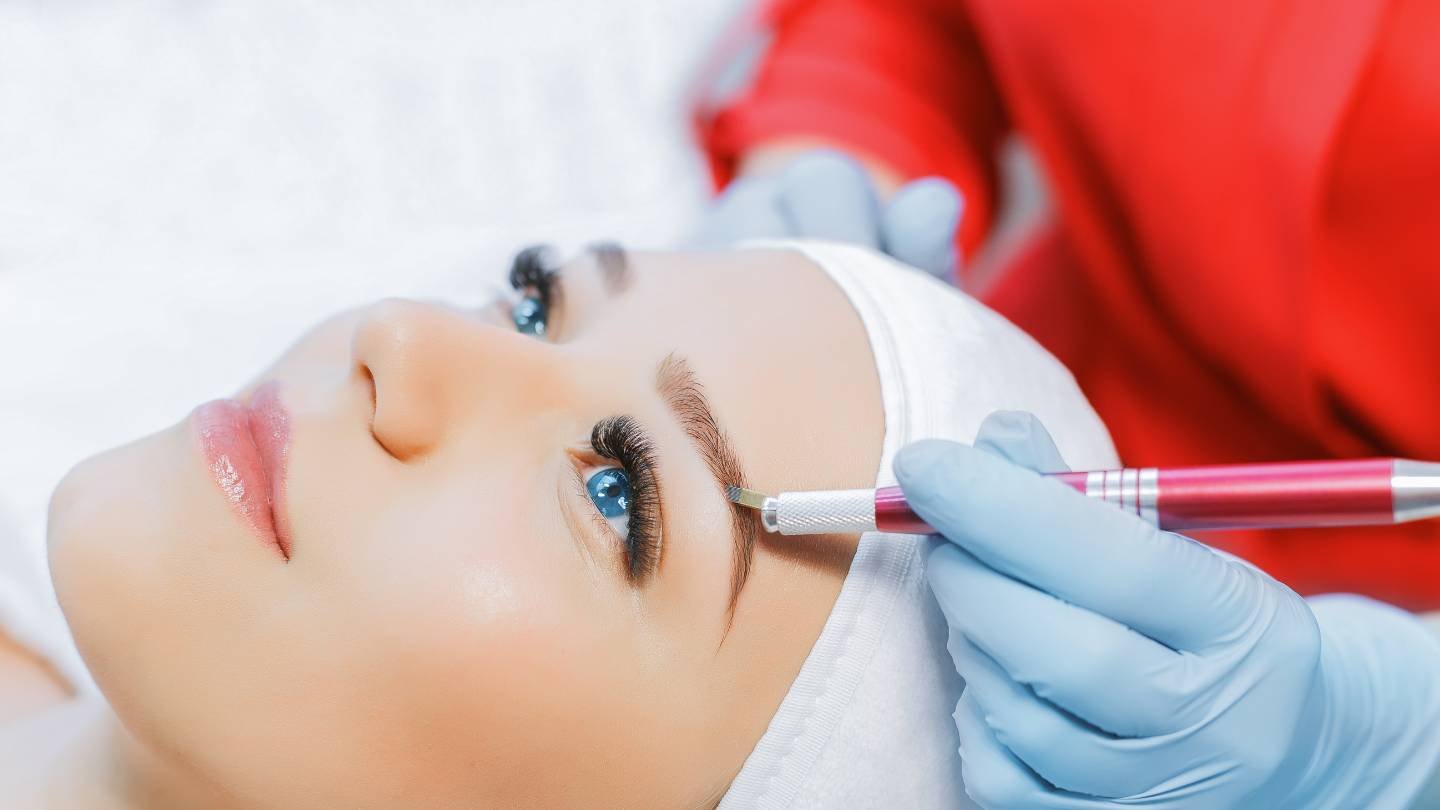
The journey to achieving the perfect ombre eyebrow tattoo encompasses various stages, including the intriguing "ghosting period." This phase, often unexpected by many, plays a crucial role in the healing process, shaping the final appearance of your brows. Drawing insights from experts in the field, let's delve into what the ghosting period entails, why it occurs, and how to navigate through it.
Understanding The Ghosting Period
The ghosting period is during the healing process of ombre eyebrow tattoos, where the pigment appears to have faded or disappeared entirely. This phenomenon typically occurs after the initial healing stages, such as scabbing and peeling, leading to a moment of concern for many clients. However, it's a normal part of the healing journey.
Why Does Ghosting Happen?
Ghosting occurs due to the body's natural healing response. After the tattoo is applied, the skin begins to regenerate, covering the pigment with new layers. During this process, the pigment may seem to vanish or become significantly lighter, creating a "ghost-like" appearance on the brows. This temporary stage is a sign that your skin is healing properly.
Navigating Through The Ghosting Period
Patience is Key: It's essential to remain patient during the ghosting period. The pigment will resurface as the healing process continues, revealing the colour and density of your ombre brows.
Follow Aftercare Instructions: Adhering to the aftercare instructions provided by your technician is crucial. Proper care ensures optimal healing and pigment retention, which can influence the outcome post-ghosting period.
Touch-Up Appointments: A touch-up session, usually scheduled 6-8 weeks after the initial procedure, is an opportunity to address any areas where the pigment may not have retained as expected. This session allows for adjustments and enhancements, ensuring your brows achieve the desired look.
FAQs About Ombre Eyebrow Tattoos
The ghosting period is a phase during the healing process of ombre eyebrow tattoos when the pigment appears to fade or even disappear. Many people worry about the loss of their eyebrow colour, but this phase is temporary and a normal part of the skin's healing process.
The ghosting period can vary from person to person but generally occurs after the initial scabbing and peeling stages and can last for a few days to a couple of weeks. The pigment usually starts to reappear gradually as the healing process continues.
Ghosting is caused by the body's natural healing process. As the skin heals, new layers form over the pigment, temporarily obscuring it. This is part of the skin's response to the tattooing process and signifies that healing is underway.
No, the ghosting period is not an indication of anything going wrong. It's a standard part of the healing process for ombre eyebrow tattoos and should be expected as the skin regenerates and adjusts to the new pigment.
Patience is critical during the ghosting period. Avoid panicking or assuming the pigment has been lost. Follow your aftercare instructions carefully, and avoid harsh treatments or products on the eyebrow area.
Why Does The Ghosting Period Occur?
The ghosting period in the journey of healing ombre eyebrow tattoos is a phrase that often causes concern and curiosity among clients. This unique stage, where the tattooed brows appear to have faded or disappeared, is a normal part of the healing process. Understanding why this ghosting period occurs can provide reassurance and patience as you await the final results of your ombre eyebrow tattoos. Here's an in-depth look into the reasons behind the ghosting period, drawing insights from various expert sources.
The Natural Healing Process
The primary reason for the ghosting period is the skin's natural healing process. The pigment is deposited under the skin when you receive an ombre eyebrow tattoo. As the skin heals, it goes through various stages, including inflammation, scabbing, and regeneration. During this regeneration phase, new skin layers form over the tattooed area, temporarily obscuring the pigment underneath. This phenomenon leads to what is perceived as the fading or disappearance of the brows, hence the term "ghosting."
Cellular Turnover And Pigment Absorption
Another factor contributing to the ghosting period is the cellular turnover rate and how the skin absorbs the pigment. Each individual's skin reacts differently to the tattooing process, affecting how the pigment settles and appears during the healing stages. In some cases, the body's immune response may work more aggressively to heal the tattooed area, causing the pigment to appear to have vanished. This situation is temporary, as the pigment remains beneath the surface and will re-emerge as the healing progresses.
The Role Of Aftercare
The aftercare regimen followed after getting ombre eyebrow tattoos can also influence the ghosting period. Proper aftercare is crucial to ensure optimal healing and pigment retention. If the aftercare instructions are not followed correctly, it may lead to excessive scabbing or peeling, exacerbating the appearance of faded tattoos during the ghosting period. Conversely, adhering to the recommended aftercare practices helps to minimise the ghosting effect and supports the pigment's eventual re-emergence.
Individual Skin Types And Characteristics
Individual skin types and characteristics play a significant role in the ghosting period. Factors such as skin texture, oiliness, and the skin's natural exfoliation process can affect how the pigment fades and reappears during healing. For instance, individuals with oilier skin may experience a more pronounced ghosting period due to the skin's tendency to expel the pigment more readily. Understanding your skin type and discussing it with your technician can help set realistic expectations for the healing process.
What To Expect After The Ghosting Period
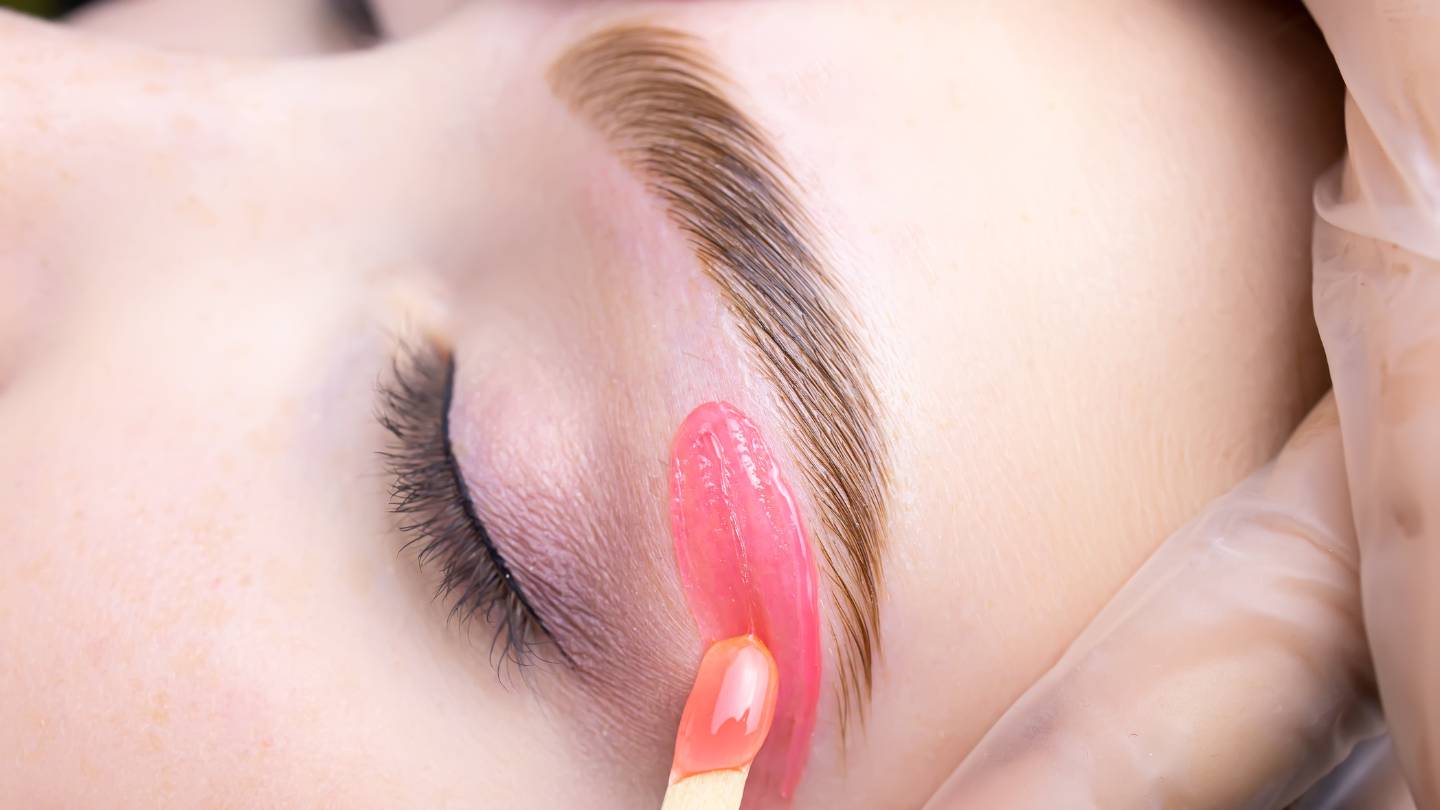
Clients often wonder what comes next after navigating through the mysterious ghosting period of ombre eyebrow tattoos. This phase, where the brows seem to fade or disappear, can be unsettling, but it's a natural part of the healing process. Understanding what to expect after this period can help ease concerns and set realistic expectations for the outcome of your ombre brows. Here's a comprehensive look at the post-ghosting phase, drawing insights from various expert sources.
The Return Of Pigment
The most notable change after the ghosting period is the gradual return of pigment. Initially, it may seem like the ombre brows have vanished, but this is temporary. The pigment that seemed to disappear begins to resurface as the skin continues to heal and regenerate. This process can vary from person to person, but generally, clients notice the colour coming back within a few weeks after the ghosting phase. The brows will slowly regain their intended shade and definition, revealing the actual results of the tattoo.
Color Stabilisation And Final Appearance
As the pigment returns, the colour of the ombre brows will stabilise. This means that the brows's initially dark and uneven appearance will soften, leading to a more natural and even look. It's important to note that the final colour may be lighter than it appeared immediately after the procedure. This is due to the natural fading that occurs during the healing process and is a planned aspect of the ombre technique to ensure a soft, natural finish.
Healing Completion And Touch-Up Sessions
The complete healing process for ombre eyebrow tattoos can take 4-6 weeks. Once this period concludes and the pigment has stabilised, it's time for a touch-up session. This appointment is crucial as it allows the technician to fill in any areas where the pigment may not have been retained as well or to make minor adjustments to the shape and colour density. The touch-up session is an opportunity to perfect the brows and address any concerns that arose during the healing process.
Long-Term Care And Maintenance
After the touch-up session and the brows have fully healed, it's essential to follow long-term care instructions to maintain the appearance of your ombre brows. This includes protecting the brows from excessive sun exposure, which can cause the pigment to fade prematurely. Using a high-SPF sunscreen and wearing hats outdoors can help prolong the life of your tattoo. Additionally, lifestyle factors such as skin care routines and overall health can influence how well the brows maintain their colour and definition over time.
Embracing Your New Brows
Finally, you can fully embrace your new ombre brows after the ghosting period and subsequent healing stages. The convenience of waking up with perfectly defined brows that require minimal maintenance can significantly impact your daily routine, saving time and enhancing your natural beauty. The confidence boost that comes with having beautifully tattooed brows is a testament to the transformative power of ombre eyebrow tattoos.
Conclusion
The ghosting period is a crucial part of the healing process for ombre eyebrow tattoos, where the pigment appears to fade or disappear entirely. This phase is often unexpected but is essential for creating realistic expectations and ensuring a smooth path to achieving the desired brows. The initial days of the process involve immediate aftercare, sensitivity, tightness, scabbing and flaking, maintaining an aftercare regimen, witnessing the transformation, touch-ups and refinements, and complete healing.
The first week involves scabbing and flaking, which signifies the beginning of the healing process. Adhering to a strict aftercare routine is essential during this period, as gentle cleansing and applying recommended ointments help reduce side effects and promote faster healing. The mid-healing phase sees colour setting, texture and evenness, and touch-ups and refinements, which may be necessary 4 to 6 weeks post-application.
By the end of the healing journey, the ombre eyebrow tattoos have fully settled, showcasing a soft, powdered finish with a gradient that frames the eyes and enhances facial features. It is essential to remain patient during the ghosting period, follow aftercare instructions provided by your technician, and attend touch-up appointments to address areas where the pigment may not have retained as expected. Understanding the ghosting period is vital for creating realistic expectations and ensuring a smooth path to achieving the desired ombre eyebrow look.
The ghosting period in ombre eyebrow tattoos is a natural and expected part of the healing process. It occurs due to the skin's natural healing process involving inflammation, scabbing, and regeneration. This regeneration phase temporarily obscures the pigment underneath, leading to the fading or disappearance of the brows. Cellular turnover and pigment absorption also contribute to the ghosting period.
The aftercare regimen followed after getting ombre eyebrow tattoos can influence the ghosting period. Proper aftercare is crucial for optimal healing and pigment retention. Individual skin types and characteristics can affect how the pigment fades and reappears during healing. Understanding your skin type and discussing it with your technician can help set realistic expectations for the healing process.
After the ghosting period, clients can expect a gradual return of pigment, colour stabilisation, and a more natural appearance. The touch-up session allows the technician to fill in any areas where the pigment may not have been retained as well or make minor adjustments to the shape and colour density. Long-term care instructions include:
- Protecting the brows from excessive sun exposure.
- Using high-SPF sunscreen.
- Wearing hats when outdoors.
- Maintaining lifestyle factors such as skin care routines and overall health.
Embracing your new ombre brows after the ghosting period and subsequent healing stages can significantly impact your daily routine, saving time and enhancing your natural beauty.
Content Summary
- The ghosting period is a less-known but critical phase in healing ombre eyebrow tattoos.
- Understanding the ghosting stage is crucial for setting realistic expectations for the procedure's outcome.
- Ombre eyebrow tattoos offer beautifully defined brows without the daily hassle of makeup.
- The healing journey from application to the final look involves several stages, including the ghosting period.
- Immediately after application, eyebrows may appear darker and more defined, accompanied by slight redness and swelling.
- A feeling of tightness and sensitivity around the treated area is common post-application.
- Scabbing and flaking typically start around the third day, indicating the beginning of the healing process.
- Maintaining a strict aftercare routine reduces side effects and promotes faster healing.
- The colour of the brows begins to settle after the initial scabbing, revealing a more natural-looking shade.
- Texture smoothens, and any initial patchiness starts to even out as the pigment settles into the skin.
- Touch-ups and refinements are usually needed 4 to 6 weeks post-application to ensure the pigment's longevity.
- By the end of the healing journey, the brows exhibit a soft, powdered finish with a natural gradient.
- In the ghosting period, the pigment appears to fade or disappear entirely, causing concern for many.
- This phenomenon is a normal part of the healing process and signifies proper healing.
- Ghosting happens due to the body's natural healing response, covering the pigment with new layers of skin.
- Patience is critical during the ghosting period, as the pigment will resurface as healing progresses.
- Adhering to aftercare instructions is crucial for optimal healing and pigment retention.
- A touch-up session is an opportunity to address areas where the pigment may have yet to be retained as expected.
- The skin's natural healing process, involving inflammation, scabbing, and regeneration, is the primary reason for the ghosting period.
- Individual reactions and cellular turnover rates can affect how the pigment settles and appears during healing.
- Proper aftercare minimises the ghosting effect and supports the pigment's eventual re-emergence.
- Individual skin types, including texture and oiliness, significantly impact the ghosting period.
- After the ghosting period, the pigment gradually returns, revealing the colour and density of the ombre brows.
- The colour of the ombre brows stabilises to a more natural and even look as the healing process concludes.
- The complete healing process can take up to 4-6 weeks, after which a touch-up session may be necessary.
- Long-term care, including protection from sun exposure, is essential to maintain the appearance of the ombre brows.
- Embracing your new brows comes with the convenience of minimal maintenance and a significant confidence boost.
- The ghosting period plays a crucial role in shaping the final appearance of the brows.
- The process from darker, more defined brows post-application to a natural-looking shade involves careful aftercare.
- The initial appearance of tightness and sensitivity is a normal part of the healing process.
- The scabbing and flaking stage signifies the skin's regeneration and shedding of the outermost layer.
- Following a strict aftercare regime helps in reducing side effects and promotes faster healing.
- The mid-healing phase witnesses the transformation of the brows into their actual colour.
- The texture of the brows smoothens, and the pigment properly settles into the skin during healing.
- Touch-up sessions ensure the pigment's longevity and enhance the overall appearance of the brows.
- The final stages of healing reveal a soft, powdered finish that beautifully frames the eyes.
- The ghosting period's occurrence is tied to the body's natural response to the tattooing process.
- Patience and adherence to aftercare instructions are critical during the ghosting period.
- Understanding the reasons behind the ghosting period can provide reassurance during the healing process.
- The skin's healing phases, including the temporary obscuring of the pigment, lead to the ghosting effect.
- Cellular turnover and the skin's immune response can influence the appearance of the pigment during healing.
- Following recommended aftercare practices is crucial for minimising the ghosting effect.
- Discussing skin types and characteristics with the technician can help set realistic expectations.
- The gradual return of pigment marks the transition from the ghosting period to the final healing stages.
- The final colour of the brows may be lighter than initially appeared due to natural fading.
- The touch-up session allows for adjustments and enhancements, perfecting the brows.
- Protecting the brows from excessive sun exposure helps prolong the life of the tattoo.
- Lifestyle factors, including skincare routines, can influence the long-term appearance of the brows.