
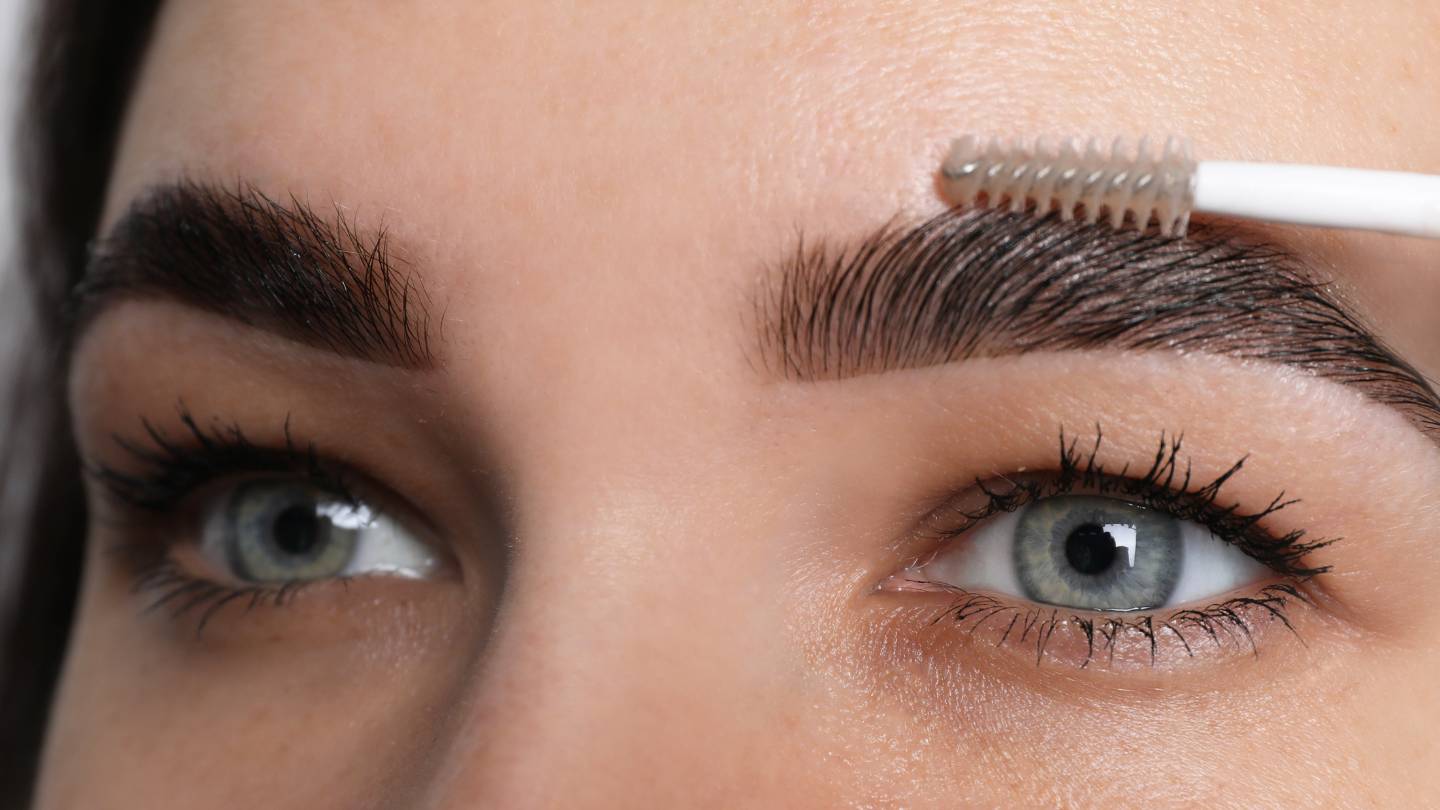
In the quest for perfect eyebrows, the beauty world presents us with an array of semi-permanent solutions, each promising a blend of artistry, precision, and natural appeal. Among these, ombre brows and microblading stand out as frontrunners, captivating those who dream of effortless, immaculate brows every morning. But as we navigate the sea of options, a pivotal question arises: Which technique offers a more natural look, ombre or microblading? This blog delves into the heart of the matter, comparing the subtle artistry, techniques, and outcomes of ombre brows and microblading. Whether you're a seasoned beauty enthusiast or someone contemplating your first foray into semi-permanent makeup, understanding the nuances of these popular methods is critical to making an informed decision. Join us as we explore the intricacies of ombre and microblading, aiming to unveil which technique truly reigns supreme in pursuing natural-looking brows.
Understanding Ombre And Microblading
Ombre and Microblading are two prominent semi-permanent eyebrow techniques that have revolutionized the beauty industry, offering solutions for fuller, more defined eyebrows. While both aim to enhance the natural beauty of the eyebrows, they differ significantly in technique, appearance, and suitability for different skin types.
Microblading is a semi-permanent cosmetic procedure that utilizes a handheld tool to deposit pigment into the skin, mimicking the appearance of natural brow hairs. This technique is renowned for creating natural and subtle looks, ideal for achieving a soft, fluffy, and realistic eyebrow appearance. Microblading is particularly popular among those seeking a 'trendy' treatment inspired by celebrities and influencers. The process involves a detailed consultation and design process, ensuring the final look perfectly suits the client before the procedure occurs. Suitable for dry to typical skin types, microblading lasts up to three years, with the initial colour appearing darker and gradually fading to reveal the natural eyebrow shape.
On the other hand, Ombre Powder Brows employ either a digital machine or a handheld tool to insert tiny dots of pigment into the skin, resulting in a more shaded or powdered look. This technique delivers a more defined and fuller brow, akin to the effect achieved with cosmetic eyebrow powders or pencils. Ombre brows are gaining popularity for their dramatic appearance, heavily influenced by social media trends. Suitable for all skin types, ombre powder brows last between one and three years, with the colour initially appearing darker and scabbing over as part of the healing process. Unlike microblading, which scabs in smaller patches, ombre brows tend to scab in larger pieces, which should not be picked to avoid pigment loss.
Combination Brows merge the techniques of microblading and shading, offering a solution that incorporates the natural-looking hair strokes of microblading with the defined shading of ombre brows. This method is ideal for those with little to no brow hairs, providing a natural, fluffy appearance with better retention and longevity.
The Ombre Technique
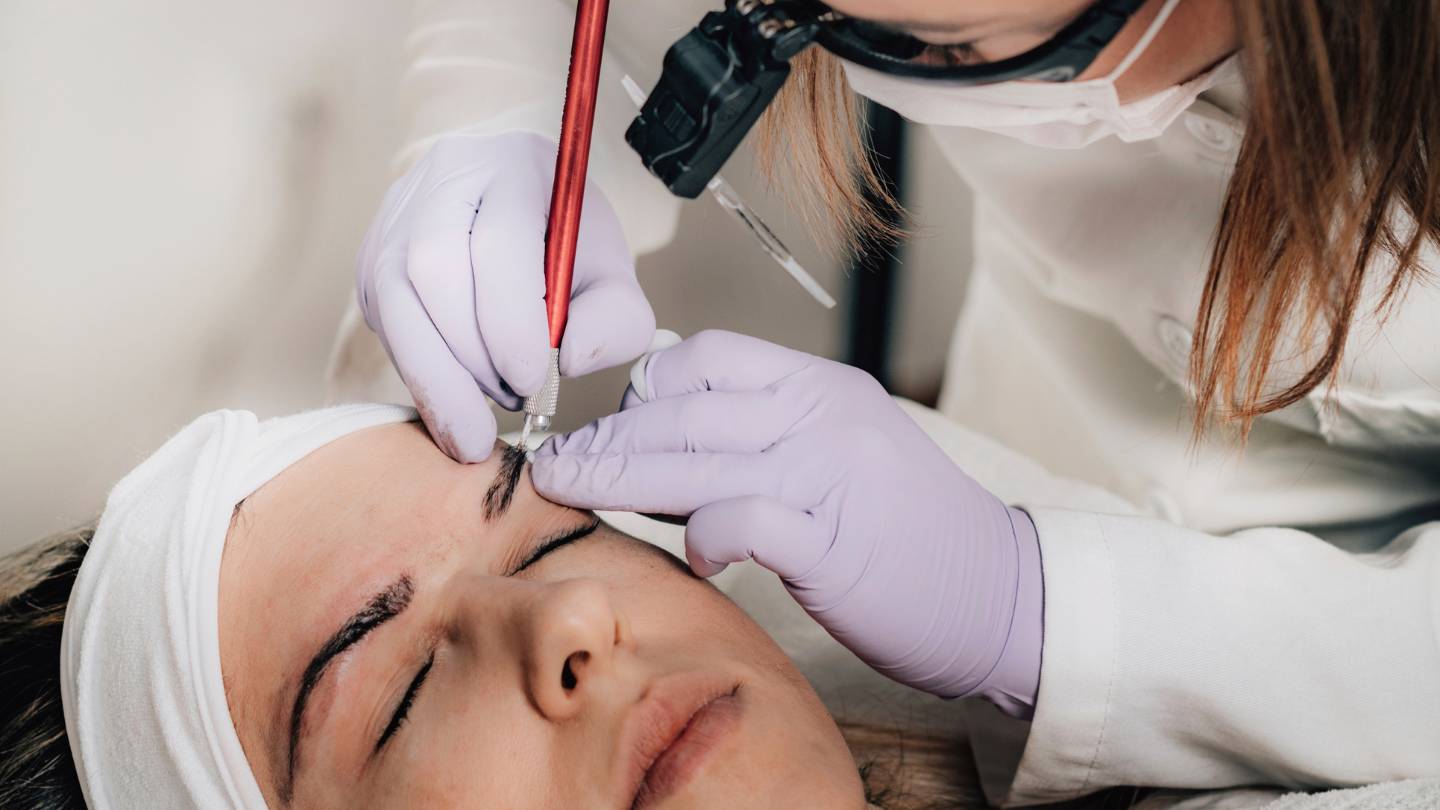
The Ombre eyebrow tattoo technique has emerged as a modern and sophisticated approach to eyebrow enhancement, blending seamlessly with the evolving landscape of beauty and semi-permanent makeup. This technique, distinct from traditional methods, offers a gradient effect that mimics the natural transition of colour from light to dark, providing a soft, powder-filled, elegant, and striking appearance.
The Essence Of Ombre Eyebrow Tattoo Technique
Ombre eyebrow tattooing utilizes a fine tattoo needle to deposit thousands of tiny dots into the brow area, creating a pixelated look that heals into a soft powder finish. This method is perfect for those seeking a more defined brow without the harshness of a solid fill, offering a solution that looks like you've expertly powdered your brows. The technique's versatility allows it to fade from light at the brow's head to darker towards the tail, crafting a natural look that enhances the brow's shape and adds depth.
Tailoring The Ombre Technique
Recognizing each individual's unique preferences and requirements, the Ombre technique is highly customizable. It can be adjusted to suit those with sparse eyebrows by providing a complete, soft colour throughout, or it can focus on adding definition to the brow tails for those with a good amount of natural hair. This adaptability makes the Ombre technique suitable for many clients, ensuring everyone can achieve their desired eyebrow look.
Ombre Vs. Powder Brows
While Ombre and Powder brows are closely related, with both techniques offering a powdered look, the critical difference lies in the gradient effect. Ombre brows feature a lighter head and a darker tail, whereas Powder brows maintain a consistent colour intensity throughout. This subtle distinction allows for a tailored approach to eyebrow tattooing, catering to individual preferences for shading and definition.
Suitability And Popularity
The Ombre eyebrow tattoo technique is ideal for those who prefer a makeup look and typically fill their brows with pencil or powder. It offers a smudge-proof, water-resistant solution that remains flawless throughout the day. Additionally, its ability to cover old microblading or other brow tattoos makes it a versatile choice for enhancing the eyebrows. The technique's growing popularity is evident on social media platforms, where its trendy and Instagrammable appeal has captured the attention of beauty enthusiasts worldwide.
The Microblading Technique
Microblading has surged in popularity as a leading cosmetic tattoo procedure, celebrated for its ability to transform and elevate facial features through the artistry of semi-permanent makeup. This manual tattoo technique, distinct from traditional tattooing, involves using a hand tool with ultra-fine needles. These needles meticulously deposit hypoallergenic pigments into the skin's upper dermis, crafting ultra-fine hair strokes that mimic the natural appearance of eyebrow hairs.
The Art Of Microblading
Microblading is a testament to the precision and skill of the technician, requiring no machines but rather a steady hand and a keen eye for detail. The process begins with a comprehensive consultation and design phase, where inherent asymmetries are addressed, and a custom eyebrow shape is meticulously planned for each client. This initial phase is crucial, as it sets the foundation for the natural and flattering enhancement of the brows.
The Appeal Of Microblading
The allure of microblading lies in its ability to produce natural-looking results. When performed by skilled technicians, microblading offers a subtle yet transformative enhancement to the eyebrows, providing a solution for those seeking to improve or redefine their brow shape without the permanence of traditional tattoos. The technique is prevalent among individuals inspired by celebrity and influencer beauty trends, seeking to emulate the soft, fluffy brows that dominate social media.
Customization And Healing
Microblading is not a one-size-fits-all procedure; it is highly customizable, allowing for adjustments in stroke direction, curvature, and density to complement each client's unique facial structure and eyebrow growth patterns. The healing process, lasting up to 6 weeks, involves several stages, including initial darkening, scabbing, and a "ghosting" phase, where the brows may appear lighter before revealing their final colour.
Suitability And Longevity
Microblading suits many clients, including those with thin, sparse brows seeking definition and fullness. However, its longevity varies, generally lasting up to 2 or 3 years, influenced by skin type, lifestyle, and adherence to aftercare instructions. Periodic touch-ups are recommended to maintain the vibrancy and definition of the brows.
FAQs About Ombre Brows Tattoos
Ombre brows use a shading technique that creates a soft, powdered look with a gradient effect. At the same time, microblading involves drawing individual hair-like strokes to mimic natural eyebrow hairs, offering a more textured appearance.
Microblading typically offers a more natural look because it replicates individual eyebrow hairs. However, a soft ombre technique can also appear natural, especially when tailored to blend seamlessly with your existing brows.
Yes, when done by a skilled artist, ombre brows can look quite natural. The key is a soft application that enhances the natural brow shape without overwhelming it, creating a subtle makeup effect.
Ombre brows generally last longer than microblading. Microblading may require touch-ups every 12 to 18 months, while ombre brows can last up to two years or more before needing a refresh.
Ombre is often recommended for oily skin types because the shading technique holds up better against oil production, which can cause microbladed strokes to blur and fade more quickly.
Comparing Results
Ombre and microblading are two leading semi-permanent eyebrow techniques that have revolutionized how we enhance our brows. While both aim to provide fuller, more defined brows, they differ significantly in their approach, appearance, and suitability for different skin types.
Microblading is renowned for its ability to create natural-looking, hair-like strokes. This technique involves manually depositing pigment into the upper layers of the skin using a handheld tool with fine needles. The result is incredibly natural, mimicking the appearance of real eyebrow hairs. Microblading is particularly suited for individuals with normal to dry skin types and those seeking a subtle enhancement to fill in sparse or thin brows. However, it typically requires more frequent touch-ups, usually every 12 to 18 months, due to the fine strokes fading faster than ombre powder brows.
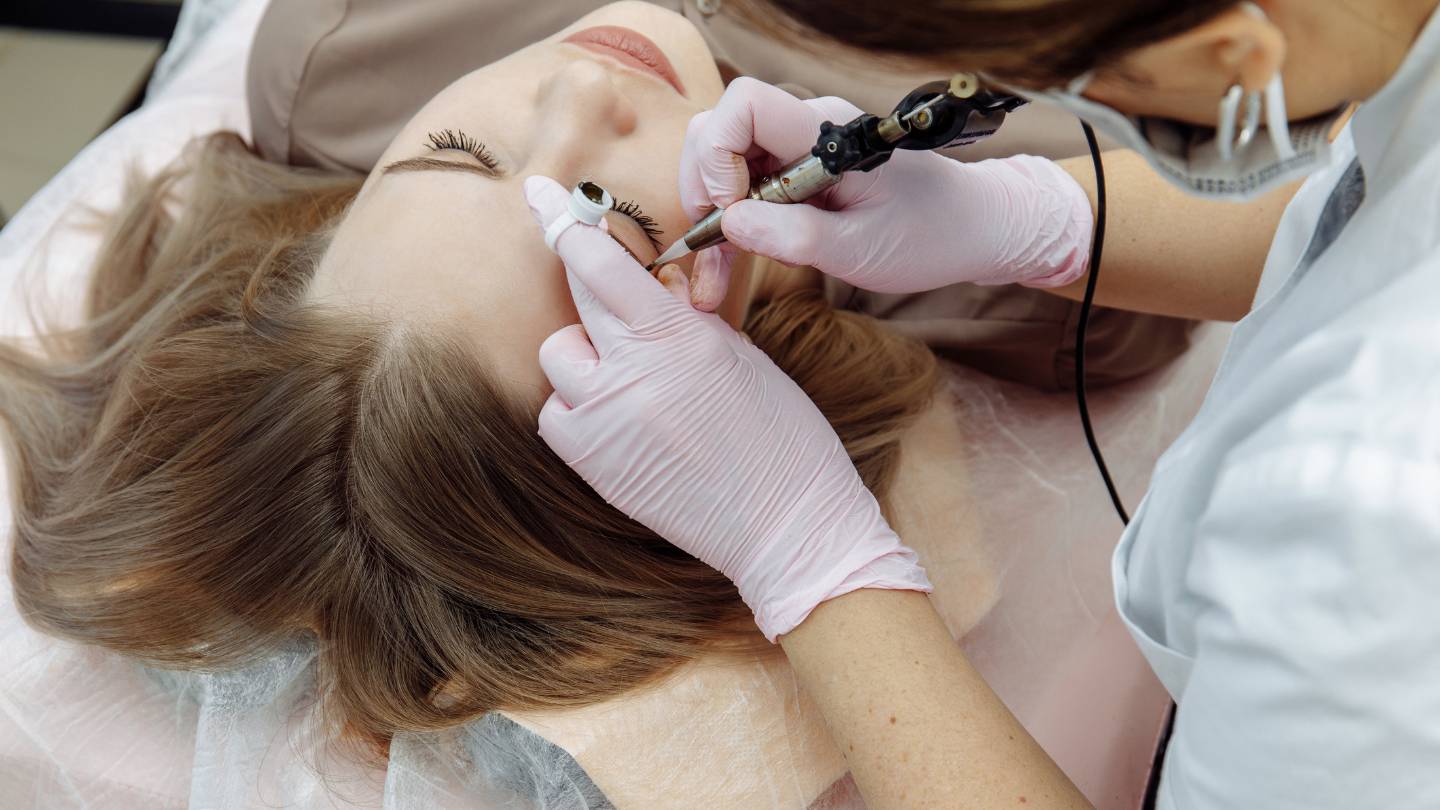
On the other hand, Ombre Powder Brows offer a soft, shaded look with a gradual colour transition that resembles softly powdered makeup. This technique uses a machine to deposit tiny dots of pigment into the skin, creating a gradient effect that starts lighter at the brow's head and gradually darkens towards the tail. Ombre brows are ideal for those who prefer a fuller, more defined look or have oily or sensitive skin, as the method is less invasive and tends to last longer, often between 18 months to 2 years before requiring a touch-up.
Key Differences:
Appearance: Microblading provides a natural, hair-like finish, while ombre gives a soft, shaded, and more defined makeup effect.
Technique: Microblading uses a manual tool for hair-like strokes, whereas ombre involves a machine for a powdered effect.
Maintenance: Microblading may fade faster, requiring touch-ups every 12 to 18 months. Ombre brows have a longer-lasting result, with touch-ups needed less frequently.
Suitability: Microblading is best for normal to dry skin and those wanting subtle enhancements. Ombre suits all skin types, especially oily or sensitive skin and those desiring a more dramatic look.
Making The Right Choice:
The decision between ombre and microblading depends on personal preference, desired outcome, and skin type. Microblading is ideal for those looking for a natural enhancement and who don't mind regular maintenance. Ombre brows are perfect for individuals seeking a more defined, low-maintenance solution, especially those with oily or sensitive skin.
Conclusion
Ombre and microblading are two semi-permanent eyebrow techniques that have revolutionized the beauty industry, offering fuller, more defined eyebrows. Microblading is a semi-permanent cosmetic procedure that mimics the appearance of natural brow hairs, creating a soft, fluffy, and realistic eyebrow appearance. It is popular among celebrities and influencers and lasts up to three years. On the other hand, Ombre Powder Brows use a digital machine or handheld tool to insert tiny dots of pigment into the skin, resulting in a more shaded or powdered look. Ombre brows are gaining popularity for their dramatic appearance, heavily influenced by social media trends.
Combination Brows merge the techniques of microblading and shading, offering a solution that incorporates the natural-looking hair strokes of microblading with the defined shading of ombre brows. Ombre eyebrow tattooing is a modern and sophisticated approach to eyebrow enhancement, offering a gradient effect that mimics the natural transition of colour from light to dark. It is highly customizable, allowing it to be adjusted to suit individuals with sparse eyebrows or those with a good amount of natural hair.
While both ombre and powder brows offer a powdered look, the critical difference lies in the gradient effect. Ombre brows feature a lighter head and darker tail, while powder brows maintain a consistent colour intensity.
Ombre eyebrow tattoos are popular for those who prefer a makeup look and fill their brows with pencil or powder. They offer a smudge-proof, water-resistant solution that remains flawless throughout the day and can cover old microblading or other brow tattoos. Microblading is a leading cosmetic tattoo that transforms and elevates facial features through semi-permanent makeup. It involves using a hand tool equipped with ultra-fine needles to deposit hypoallergenic pigments into the skin's upper dermis, crafting ultra-fine hair strokes that mimic the natural appearance of eyebrow hairs.
The appeal of microblading lies in its ability to produce natural-looking results. It provides a solution for those seeking to improve or redefine their brow shape without the permanence of traditional tattoos. Microblading is highly customizable, allowing for adjustments in stroke direction, curvature, and density to complement each client's unique facial structure and eyebrow growth patterns.
Microblading suits many clients, including those with thin, sparse brows seeking definition and fullness. However, its longevity varies, generally lasting up to 2 or 3 years, influenced by skin type, lifestyle, and adherence to aftercare instructions. Ombre brows are suitable for all skin types, especially oily or sensitive skin and those desiring a more dramatic look.
Content Summary
- Ombre and microblading are leading semi-permanent eyebrow techniques.
- Both aim to enhance natural beauty but differ in suitability for technique, appearance, and skin type.
- Microblading uses a handheld tool to mimic real brow hairs, creating natural looks.
- It's famous for its soft, fluffy, and realistic eyebrow appearance.
- Microblading suits dry to typical skin types and lasts up to three years.
- Ombre Powder Brows use a machine or tool for a shaded or powdered look.
- This technique delivers a more defined and fuller brow.
- Ombre brows are suitable for all skin types, lasting one to three years.
- Combination Brows merge microblading and shading techniques.
- The Ombre technique offers a gradient effect from light to dark.
- It creates a pixelated look that heals into a soft powder finish.
- Ombre is customizable and suitable for sparse eyebrows or adding definitions.
- Ombre vs. Powder Brows: Ombre features a gradient effect; Powder brows have a consistent colour.
- Ombre is ideal for those who prefer a makeup look.
- Its popularity is evident on social media, appealing to beauty enthusiasts.
- Microblading is celebrated for transforming facial features with semi-permanent makeup.
- It involves ultra-fine needles depositing pigments into the skin.
- The technique requires precision and skill, with no machines used.
- Microblading begins with a detailed consultation and design phase.
- It's popular among individuals inspired by celebrity beauty trends.
- The procedure is highly customizable to match each client's facial structure.
- Healing involves initial darkening, scabbing, and a "ghosting" phase.
- Microblading suits those with thin, sparse brows seeking definition.
- Its longevity varies, generally lasting up to 2 or 3 years.
- Ombre and microblading offer fuller, more defined brows but differ significantly.
- Microblading creates natural-looking, hair-like strokes.
- Ombre Powder Brows provide a soft, shaded look with a colour transition.
- Microblading suits normal to dry skin types; Ombre is suitable for all skin types.
- Microblading requires more frequent touch-ups than Ombre brows.
- The choice between ombre and microblading depends on personal preference and skin type.
- Understanding the nuances of ombre and microblading is vital to making an informed decision.
- The beauty world offers semi-permanent solutions for perfect eyebrows.
- Ombre and microblading captivate those dreaming of effortless, immaculate brows.
- The blog explores the intricacies of these techniques to determine which looks more natural.
- Microblading is known for its trendy treatment inspired by celebrities.
- Social media trends heavily influence Ombre brows' dramatic appearance.
- The Ombre technique's versatility allows for a natural look that enhances the brow's shape.
- Tailoring the Ombre technique ensures everyone can achieve their desired eyebrow look.
- The Ombre eyebrow tattoo technique is a modern approach to eyebrow enhancement.
- Microblading's appeal lies in its ability to produce natural-looking results.
- The art of microblading showcases the precision and skill of the technician.
- Customization and healing of microblading allow for adjustments to complement each client.
- Microblading's suitability and longevity make it a favoured choice for eyebrow enhancement.
- Comparing ombre and microblading helps us understand their distinct benefits.
- Key differences include appearance, technique, maintenance, and suitability.
- Making the correct choice involves considering personal preferences and skin type.
- The decision should be guided by unique needs and the look one wishes to achieve.
- Skilled technicians ensure the best possible outcome for eyebrow transformation.
- Both techniques can provide beautifully enhanced brows tailored to individual needs.
- The blog aims to unveil which technique reigns supreme in natural-looking brows.