
Permanent eyeliner tattoos have transformed the beauty industry by offering a long-lasting solution to daily eyeliner application.
However, like any cosmetic procedure, these tattoos may need touch-ups over time to maintain their vibrancy and shape. Recognising the signs that indicate the need for a touch-up can help keep your eyeliner looking fresh and defined.
Signs You May Need A Touch-Up For Your Permanent Eyeliner Tattoo
Permanent eyeliner tattoos have revolutionised the beauty industry by providing a long-lasting solution to daily eyeliner application. However, like any cosmetic procedure, it may require touch-ups to maintain its vibrancy and shape over time.
Fading Pigment
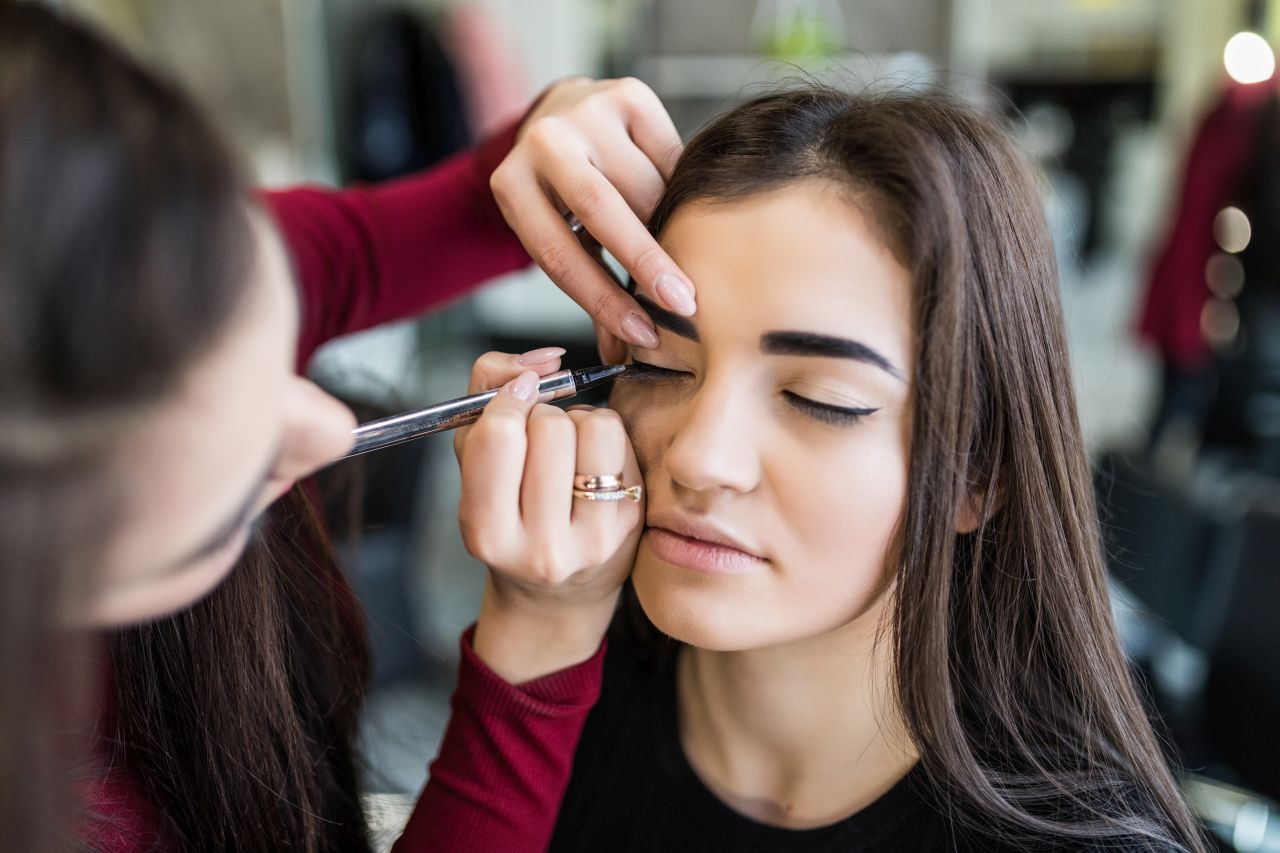
The most common sign that a touch-up is necessary is when the pigment begins to fade. After the initial procedure, colour fading of up to 50% can occur. This is a normal part of the healing process, as every skin retains pigment differently. If your eyeliner starts to look lighter than desired or lacks the definition it once had, it’s time to consider a touch-up.
Changes In Color
Over time, the pigment used in permanent eyeliner tattoos may morph in colour due to sun exposure, aging, or the body’s reaction to the ink. If your eyeliner colour shifts to an undesired shade, a touch-up session can adjust the colour to your preference.
Unevenness Or Asymmetry
Even with the most skilled application, healing processes can cause unevenness or asymmetry in the eyeliner tattoo. If one eye appears different from the other or the shape doesn’t match your initial expectation, a touch-up can correct these inconsistencies.
Desire For A Style Change
Beauty preferences evolve, and the eyeliner style you loved a few years ago might not be what you want today. Whether you’re seeking a thicker line, a different shape, or want to add a winged effect, a touch-up session can modify your permanent eyeliner to suit your current taste.
Patchy Appearance
During the healing process, it’s common for the treated area to appear patchy, as scabs fall off unevenly. While this is often a temporary issue, if the final healed result is still patchy, additional pigment can be added during a touch-up to improve the appearance.
Skin Retention Issues
Some individuals’ skin may not retain pigment as well as others, leading to less saturation of colour after the initial procedure. A touch-up allows for adding more pigment layers, ensuring the eyeliner looks full and defined.
Scheduled Maintenance
Even without noticeable signs of fading or unevenness, periodic maintenance is recommended to keep your permanent eyeliner looking its best. Touch-ups every 2-3 years can refresh the colour and maintain the sharpness of your eyeliner tattoo.
Preparing For Your Permanent Eyeliner Tattoo Touch-Up
Permanent eyeliner tattoos offer a durable solution to daily makeup application, creating lasting definition and enhancing eye beauty. However, to maintain their perfect appearance, touch-ups are sometimes necessary.
Understanding The Need For Touch-Ups
Permanent makeup, including eyeliner tattoos, isn’t truly “permanent” because it will last forever without any changes. Over time, the pigment may fade or even shift in colour due to factors such as skin cell renewal, sun exposure, and body chemistry. Typically, an eyeliner tattoo lasts for about 12 to 18 months before a touch-up might be needed. This variability ensures that you can adjust your look as trends change or as you desire to alter the shape or intensity of your eyeliner.
Scheduling Your Touch-Up
The ideal timing for a touch-up varies, but most professionals recommend waiting until you notice significant fading or when the colour starts to lose its vibrancy, typically around one year after your initial application. Some may find that their skin holds pigment longer, so the timing can differ from person to person. It’s also an opportunity to adjust the look based on changing preferences or styles.
Pre-Touch-Up Considerations
Before heading in for your touch-up appointment, there are several steps you should take to ensure the best possible outcome:
Consultation: Contact your permanent makeup artist to discuss any changes you wish to make or concerns regarding your current eyeliner tattoo.
Skin Care: As with your initial procedure, you should avoid certain activities and products that may affect your skin’s condition, such as direct sun exposure, swimming, retinol or other harsh skin treatments near the eyes.
Health and Medications: Ensure you are in good health before your appointment and inform your technician of new medications or supplements, as some can influence bleeding or healing processes.
Aftercare Review: Refresh your memory on the aftercare instructions to be fully prepared to care for your touch-up as it heals, ensuring the best longevity and appearance.
What To Expect During A Touch-Up
Duration And Comfort
Touch-up sessions are typically shorter than your initial appointment, often lasting anywhere from one to two hours, depending on the adjustments needed. As with your first procedure, your technician will likely apply a topical anesthetic to minimise discomfort. This ensures that you’re as comfortable as possible throughout the process.
Assessment And Customisation
The session begins with a thorough assessment of your eyeliner tattoo. Your technician will examine how the pigment has settled into your skin, noting any areas of fading or colour changes. This is also the opportunity to discuss any concerns or adjustments you’d like, whether it’s darkening the colour, extending the liner for a more dramatic wing, or refining the shape for better symmetry. Your feedback is crucial in tailoring the touch-up to meet your aesthetic preferences.
Pigment Addition And Corrections
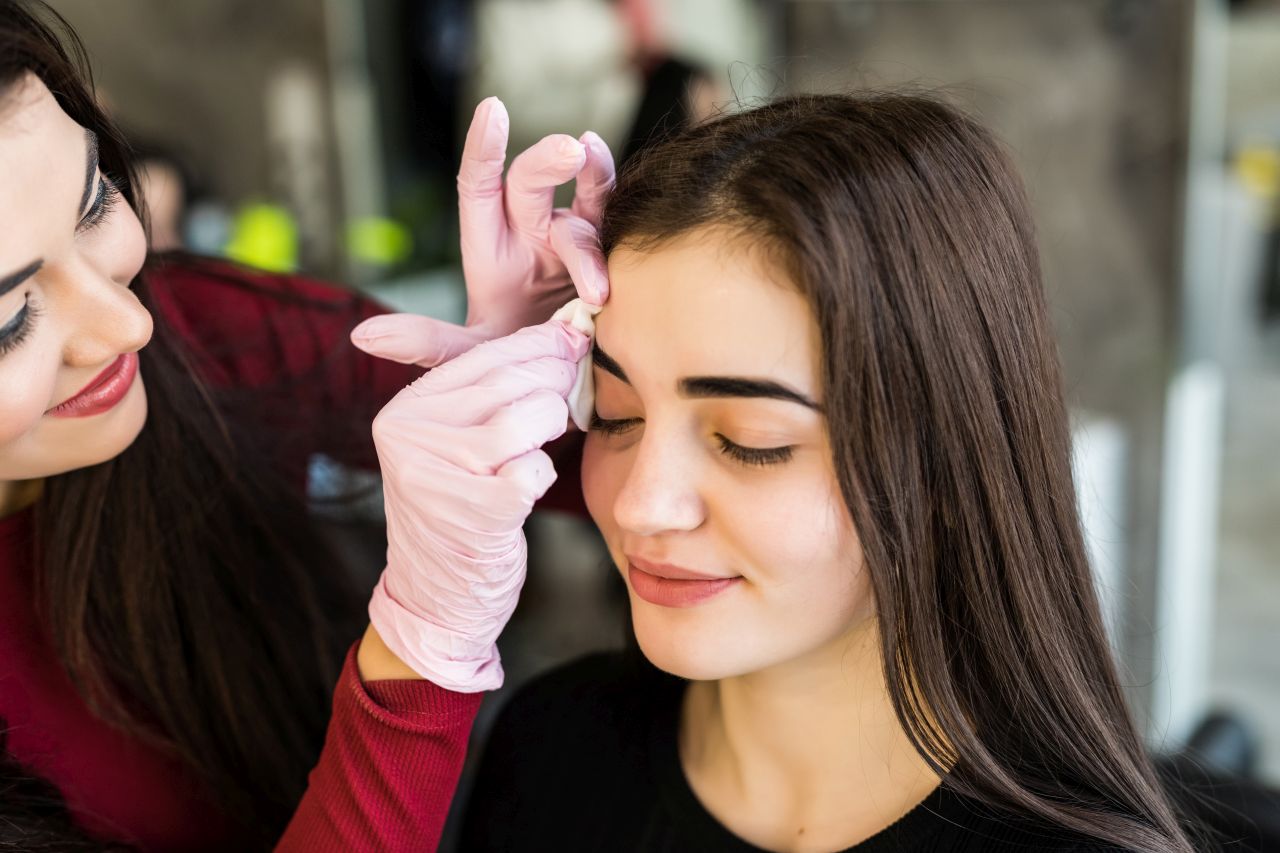
Based on the initial assessment, the artist will proceed with the touch-up, which may involve adding more pigment to certain areas that have faded more than others. If there’s any asymmetry or the shape doesn’t quite match your expectations, your technician can make corrections during this time. The type of pigment and the techniques used will be similar to those in your initial session, ensuring consistency in colour and style.
Aftercare For Your Touch-Up
Proper aftercare is crucial for your touch-up’s healing process and longevity, much like your original eyeliner tattoo procedure. Follow your technician’s specific aftercare instructions, which likely include keeping the area clean and moisturised and avoiding makeup and certain activities that could compromise healing.
Conclusion
Regular touch-ups are essential for maintaining the appearance and quality of your permanent eyeliner tattoo. Whether due to fading pigment, changes in colour, or evolving beauty preferences, periodic maintenance ensures that your eyeliner remains as beautiful and effective as the day it was first applied. By staying attentive to the signs that a touch-up is needed and preparing appropriately, you can enjoy the lasting benefits of your permanent makeup.
Frequently Asked Questions
What Is A Permanent Makeup Touch-Up, And Why Might I Need One?
A permanent makeup touch-up is a follow-up procedure to the initial application of permanent cosmetics, such as eyebrow tattoos, eyeliner, or lip colour. Over time, the pigment used in permanent makeup can fade due to sun exposure, skin type, and the body’s natural metabolism. A touch-up session helps refresh and maintain the colour intensity and definition that may have diminished, ensuring your permanent makeup looks its best.
How Long After My Initial Procedure Should I Wait Before Getting A Touch-Up?
The ideal timing for a touch-up varies depending on the type of permanent makeup and individual healing processes. Generally, waiting at least 4 to 8 weeks after the initial procedure is recommended to allow for complete healing and colour stabilisation. After this period, your technician can assess how your skin has retained the pigment and perform any necessary adjustments.
Are Touch-Ups Less Painful Than The Initial Procedure?
Many clients find that touch-ups are less painful compared to the initial procedure. This is partly because touch-ups typically involve less extensive work, and the initial tattooing process has already conditioned the skin area. However, pain tolerance varies from person to person, and your technician can apply topical anesthetics to minimise discomfort during the session.
How Often Will I Need Touch-Ups For My Permanent Makeup?
The frequency of touch-ups depends on several factors, including the type of pigment used, the specific area treated (eyebrows, lips, eyeliner), your skin type, lifestyle, and how well you follow aftercare instructions. On average, most people consider touch-ups every 1 to 3 years to keep their permanent makeup looking fresh. Your technician can provide more personalised advice based on how your skin holds the pigment.
Can I Change The Style Or Colour Of My Permanent Makeup During A Touch-Up Session?
Touch-up sessions are not only for refreshing the existing colour but can also be an opportunity to make minor adjustments to the shape, thickness, or colour of your permanent makeup. However, significant changes might require more extensive work or even removal of the existing pigment before applying the new design. It’s essential to discuss your desired changes with your technician beforehand to understand what’s possible and to set realistic expectations.