
Ombre eyebrow tattooing is a popular cosmetic treatment designed to enhance the appearance of the eyebrows. However, not everyone is an ideal candidate for this procedure.
Before booking an appointment, it’s essential to know if you’re part of a group and whether you should avoid or postpone the process.
This article discusses several factors, such as skin conditions, medical issues, and lifestyle circumstances, that could make ombre eyebrow tattooing unsuitable for some people.
Let’s get straight to the point.
Ombre eyebrow tattooing can enhance your brows, but it’s not suitable for everyone. People with sensitive skin, active skin conditions, or known allergies should exercise caution.
Pregnant or breastfeeding individuals, those with medical conditions (like diabetes or autoimmune disorders), or people on certain medications may face healing issues or risks. Individuals prone to keloid scarring or with unrealistic expectations should reconsider.
Lastly, recent sun exposure or existing permanent makeup can affect results, so it’s important to consult with professionals beforehand.
Persons Unsuitable For Ombre Eyebrow Tattoo
1. Sensitive Skin Types
Sensitive skin can cause complications during and after ombre eyebrow tattooing. Individuals with this skin type often experience increased redness, irritation, and discomfort.
This heightened reaction can make the tattooing process more painful, and the healing period may take longer.
- Allergic reactions to pigments or numbing creams are more common among sensitive skin patients. A patch test before the procedure is highly recommended to check for potential allergens.
- Prolonged redness and swelling are frequent issues for sensitive skin types. Proper preparation and aftercare are vital to manage these reactions.
By consulting an experienced tattoo artist, individuals with sensitive skin can discuss pain management strategies and necessary precautions. Working closely with a knowledgeable professional can help reduce complications and enhance healing.
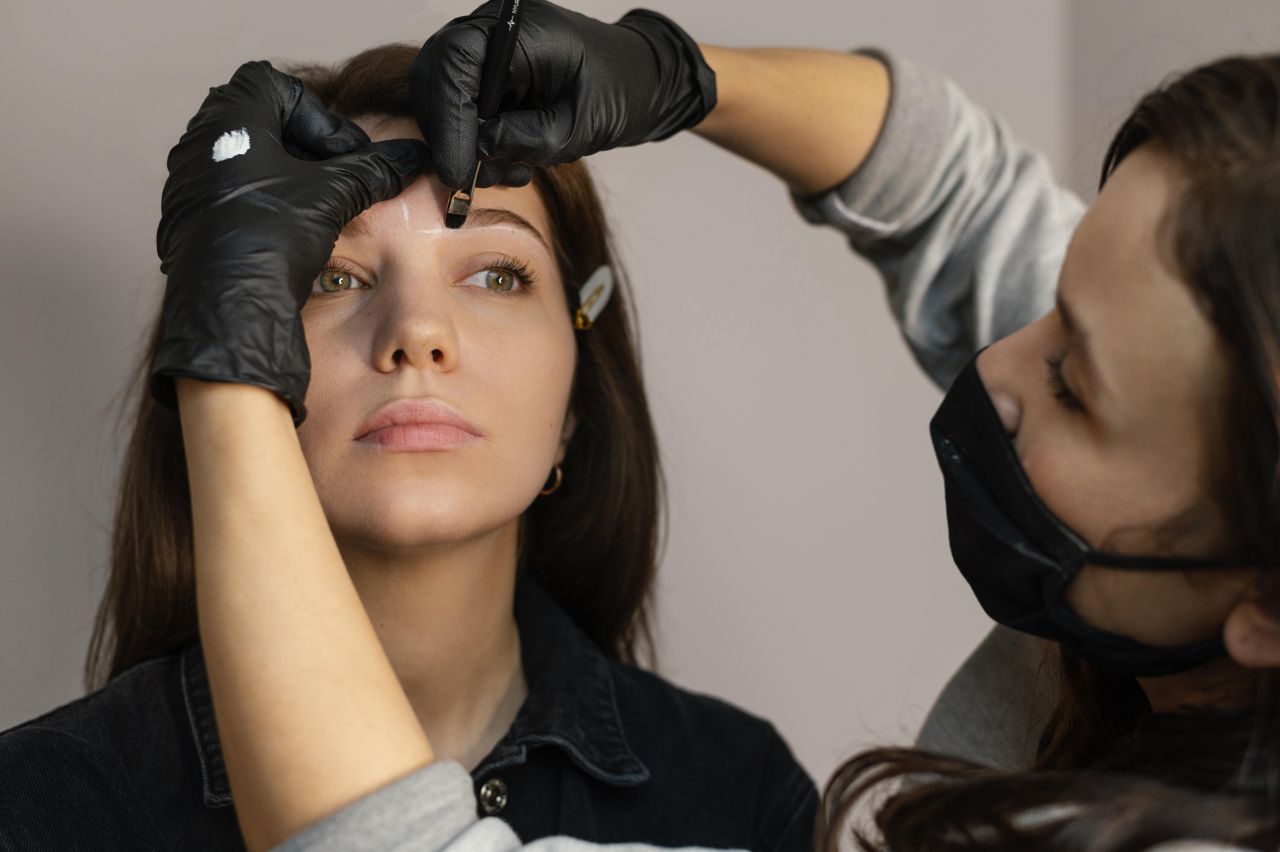
2. Pregnant Or Breastfeeding Individuals
Pregnancy and breastfeeding are stages of life when individuals should be cautious about cosmetic procedures. During these periods, the body experiences significant hormonal changes, which may affect the skin’s response to ombre eyebrow tattooing.
- Increased sensitivity and unpredictable reactions to tattoo pigments or topical anaesthetics are possible during pregnancy.
- The immune system may be weaker, leading to a higher risk of infection or slow healing after the procedure.
While there’s limited research on the effects of tattooing during pregnancy or breastfeeding, most health professionals advise postponing cosmetic treatments. Substances from tattoo pigments and numbing agents can be absorbed into the bloodstream and may reach the baby during breastfeeding.
For those pregnant or breastfeeding, it’s best to delay ombre eyebrow tattooing until after this period. This helps ensure both personal well-being and the baby’s health.
3. People With Skin Conditions In The Eyebrow Area
Active skin conditions, such as acne, eczema, or dermatitis, in the eyebrow area, can negatively affect the results of ombre eyebrow tattooing. Tattooing over irritated or inflamed skin may cause complications, including:
- Infection risk
- Uneven pigment absorption
- Worsening of the skin condition
It’s important to let these conditions clear up before undergoing the procedure. Individuals with a history of rosacea or psoriasis should also be cautious.
These skin conditions can irritate tattooing, and it’s essential to consult a dermatologist before proceeding.
4. People With Certain Medical Conditions Or Medications
Those with medical conditions like diabetes or autoimmune disorders may face complications with healing after an ombre eyebrow tattoo.
Medications such as blood thinners or immunosuppressants can also impact the body’s healing ability, increasing the risk of infection or prolonged recovery times.
- Blood thinners (e.g., warfarin or aspirin) can lead to excessive bleeding during the procedure, resulting in poor pigment retention.
- Immunosuppressive medications may hinder the body’s ability to prevent infections, increasing the likelihood of complications.
If you have any medical conditions or take these medications, consult your doctor before considering an ombre eyebrow tattoo. Both your healthcare provider and tattoo artist can advise on whether it’s safe to proceed.
5. People With Known Allergies To Pigments Or Anaesthetics
Allergic reactions to tattoo pigments or topical anaesthetics are a significant concern. Symptoms of an allergic reaction can range from redness and swelling to more severe reactions like blistering or scarring.
- Allergies to specific metals, such as nickel or mercury, commonly found in some pigments, should be disclosed to the tattoo artist.
- Individuals allergic to numbing agents, such as lidocaine, should avoid these products during the procedure.
If you know you have allergies to any substances used in tattooing, discuss this with your tattoo artist and consider alternatives to ombre eyebrow tattooing. A patch test can help identify possible allergens before the procedure.
6. People With A History Of Keloid Scarring
Those with a history of keloid scarring should carefully consider the risks associated with eyebrow tattooing. Keloids are raised, enlarged scars that can develop after skin trauma, including tattoos.
If you are prone to keloids, you may experience:
- Unsightly raised scars in the eyebrow area.
- Itchy or painful keloids that can be difficult to treat.
Consult with a dermatologist if you have a history of keloids. They can advise whether ombre eyebrow tattooing is safe or suggest alternative methods for enhancing your brows, such as microblading or temporary makeup.
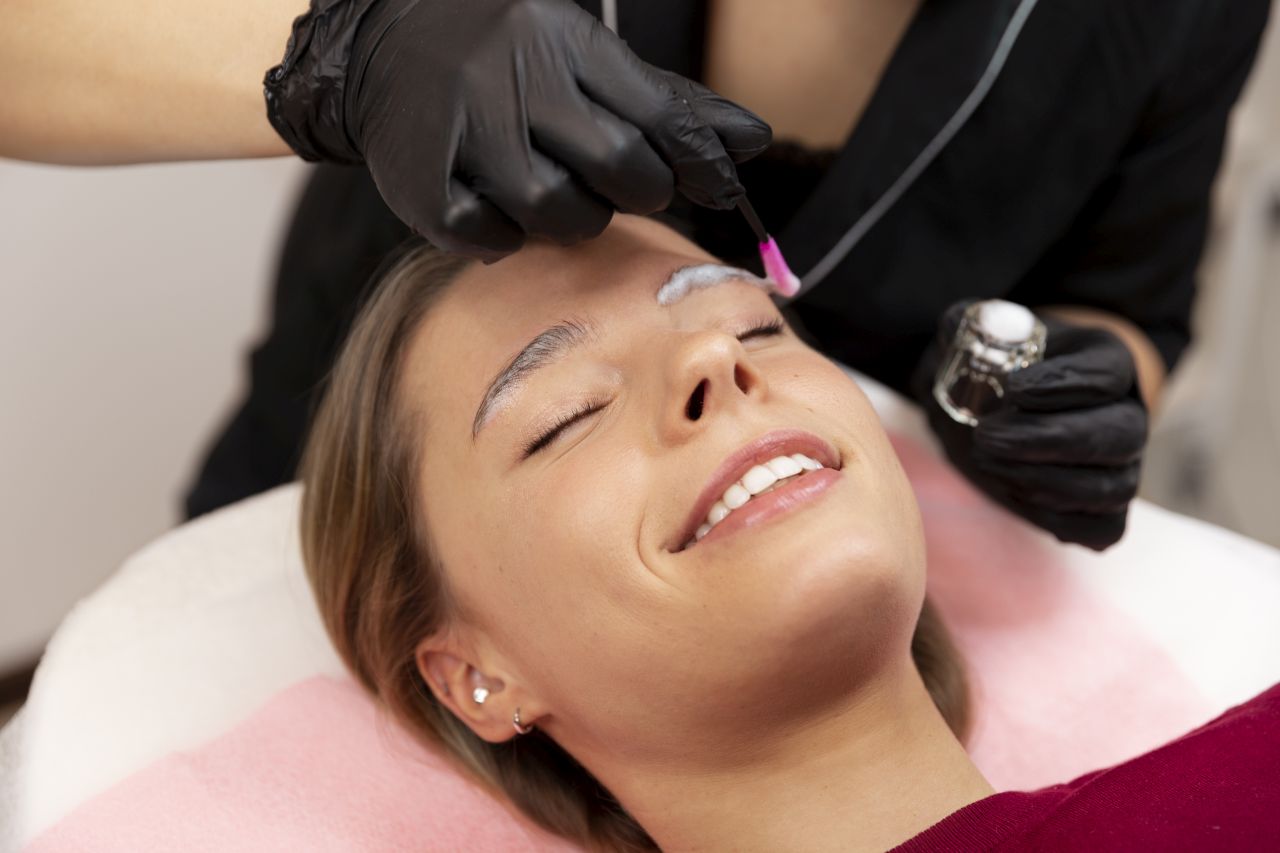
7. People With Unrealistic Expectations
Ombre eyebrow tattooing creates a soft, powdered effect designed to mimic the appearance of filled-in eyebrows. However, results can vary based on skin type, pigment colour, and individual healing processes.
It’s important to manage your expectations:
- The outcome may not be as expected due to variations in how the pigment settles and heals.
- The appearance may fade or change over time, requiring touch-ups.
Discuss your desired results with your tattoo artist and ask to see before-and-after photos of previous clients. This will help you understand what can be realistically achieved and ensure the procedure aligns with your aesthetic goals.
8. Individuals Who Have Had Recent Sun Exposure
Recent sun exposure or tanning can negatively impact the ombre eyebrow tattooing process. Sunburnt or tanned skin is more sensitive and may result in complications, such as:
- Poor pigment absorption
- Uneven results due to irritated skin
- Prolonged healing times due to sun damage
Letting the skin recover fully from sun exposure before the procedure is vital. This will ensure the pigment is absorbed correctly and reduce the likelihood of complications.
9. Those Who’ve Had Previous Permanent Makeup
If you’ve had previous permanent makeup in the eyebrow area, it’s important to assess the condition of the existing tattoo. Fading or uneven pigment can affect the outcome of an ombre eyebrow tattoo.
Before proceeding:
- Consult with your tattoo artist to evaluate how the old pigment will affect the new procedure.
- In some cases, previous permanent makeup may need to be corrected or removed before applying new pigments.
A knowledgeable tattoo artist can guide you on the best course of action.
10. People With Poor Healing History
Individuals with a history of slow or poor wound healing may not be suitable candidates for ombre eyebrow tattooing. Proper healing is critical to achieving the best results and avoiding complications.
Factors such as chronic illnesses or poor circulation can interfere with the body’s ability to heal effectively after the procedure. If you have a history of poor healing, discuss this with your tattoo artist and healthcare provider before deciding on the procedure.
Conclusion
Ombre eyebrow tattooing can be a wonderful way to enhance the appearance of your brows, but it’s only suitable for some. Those with sensitive skin, pregnant or breastfeeding individuals, and people with active skin conditions should approach this procedure cautiously.
Additionally, anyone with medical conditions, allergies, or a history of keloid scarring should consult professionals to assess their suitability. Understanding the risks and considerations beforehand allows you to make an informed decision.
Always consult your healthcare provider and tattoo artist to ensure the procedure is safe. Prioritising your health and safety will help you achieve the best possible results while minimising complications.
FAQs About Ombre Eyebrows
What Are Ombre Eyebrows?
Ombre eyebrows are a trendy eyebrow styling technique where the colour transitions from lighter to darker, creating a subtle gradient effect.
How Are Ombre Eyebrows Different From Traditional Eyebrow Styling?
Unlike traditional eyebrow styling, which focuses on uniform colour throughout, ombre eyebrows feature a gradient effect with lighter colour at the start of the brow transitioning to darker colour towards the tail.
Can I Achieve Ombre Eyebrows At Home?
Yes, you can achieve ombre eyebrows at home using eyebrow pencils, powders, or gels to blend lighter and darker shades. There are plenty of tutorials and guides available online to help you master the technique.
Are Ombre Eyebrows Suitable For All Face Shapes?
Yes, ombre eyebrows can be customised to suit different face shapes and preferences. By adjusting the placement and intensity of the gradient, you can create a flattering look for any face shape.
How Long Do Ombre Eyebrows Typically Last?
The longevity of ombre eyebrows depends on factors such as your skin type, the products used, and your daily activities. Generally, ombre eyebrows can last anywhere from a few hours to a couple of days, especially if set with a brow gel or powder.