
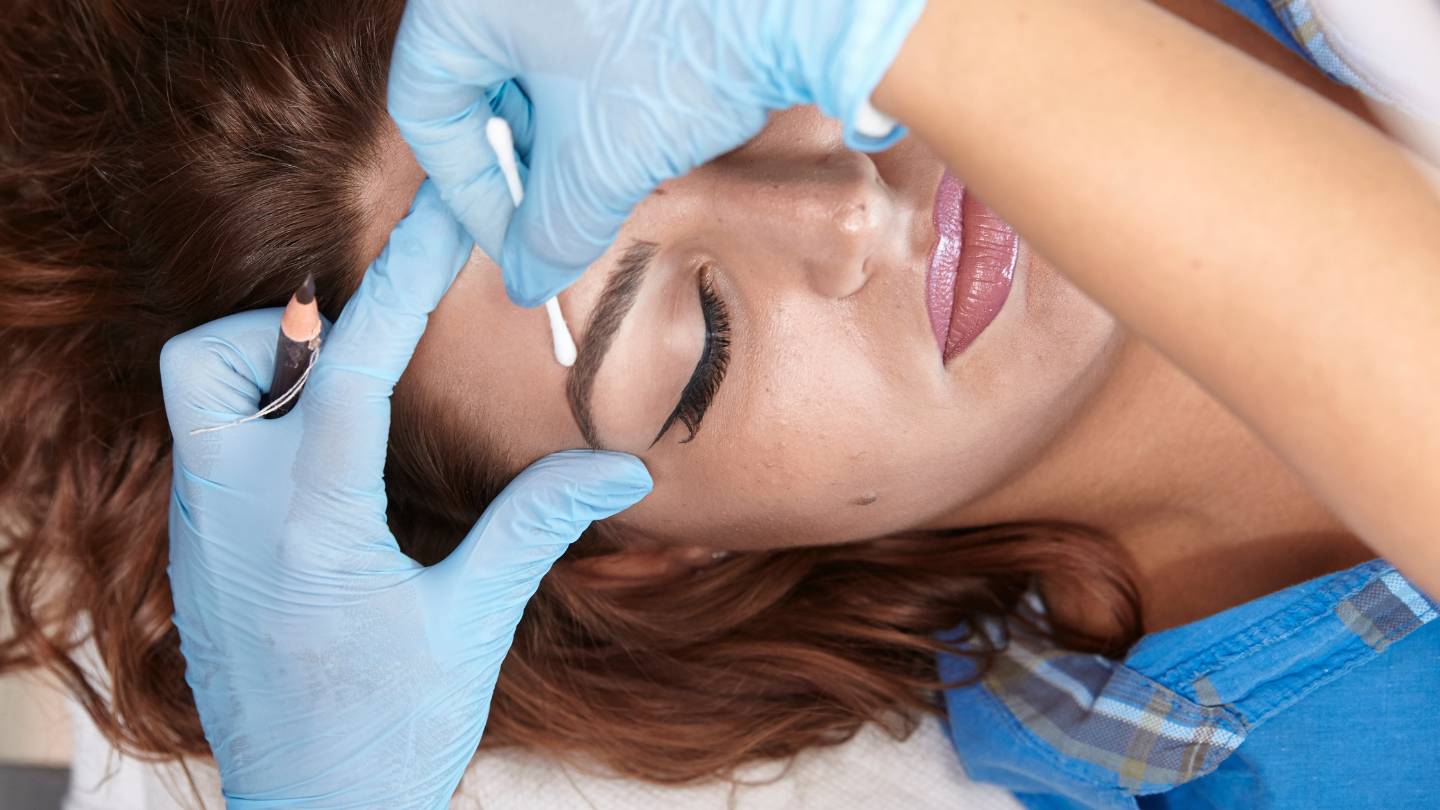
Are you looking for a way to improve your face characteristics with the correct microbladed eyebrow forms and colours? With so many options, finding the perfect eyebrow style can be an exhilarating and intimidating journey.
Many people have asked themselves, "How can I pick microbladed eyebrow shapes and colours?" after considering the option. Finding the sweet spot between form and colour is essential for framing your face and bringing forth your best features.
Learn all the ins and outs of microbladed eyebrow shapes and colour combinations that will complement your complexion, features, and sense of style with this comprehensive guide.
Whether you're a seasoned pro or just starting, knowing the ins and outs of eyebrow design can help you make the best decisions and have beautiful, natural-looking microbladed brows.
Choose The Right Eyebrow By Face Shape
You must first know your facial structure to know how to shape your eyebrows perfectly. A person's face can be described in seven distinct forms: round, oval, square, heart, diamond, oblong, and pear.
Get a mirror and examine your face's dimensions to find out what shape your face is. Keep an eye on your jawline, cheekbones, chin, and the ratio of your face's length to its width.
Is your face longer than it is wide? Are your cheekbones quite prominent? Do you have round or hollow cheeks? What does the proportion of your jawline to your forehead look like? Finding out your fundamental facial shape is made rather easy by answering these questions.
Remember that your eyebrows should accentuate, rather than compete with, your facial features.
- A high arc would look great on someone with a round face. This reduces the appearance of facial fat. A person with a round face should avoid having a round brow. It will not just fit.
- Wearing your hair in a low arch with subtle curved lines will complement a heart-shaped face. This person could look overdone if you use an elevated arc.
- Strong, well-balanced eyebrows are a great choice for someone with a square face. The top half of your face, including your brow, needs greater emphasis.
- A delicately sketched eyebrow with a few angles would look great on someone with an oval face. Honestly, the face isn't that bad. Relax and soak in all the admiring glances.
- We suggest straight eyebrows for someone with a long face. Doing so will make your face look shorter than normal. A high arc is not a better choice than CE, though.
Nevertheless, having your face done by an experienced and trustworthy specialist will alleviate most of your concerns. To determine the most flattering shape or colour for your face, we begin by closely examining your characteristics. Also, feel free to bring in photographs of how you want to seem, and we can let you know if it's good or not.
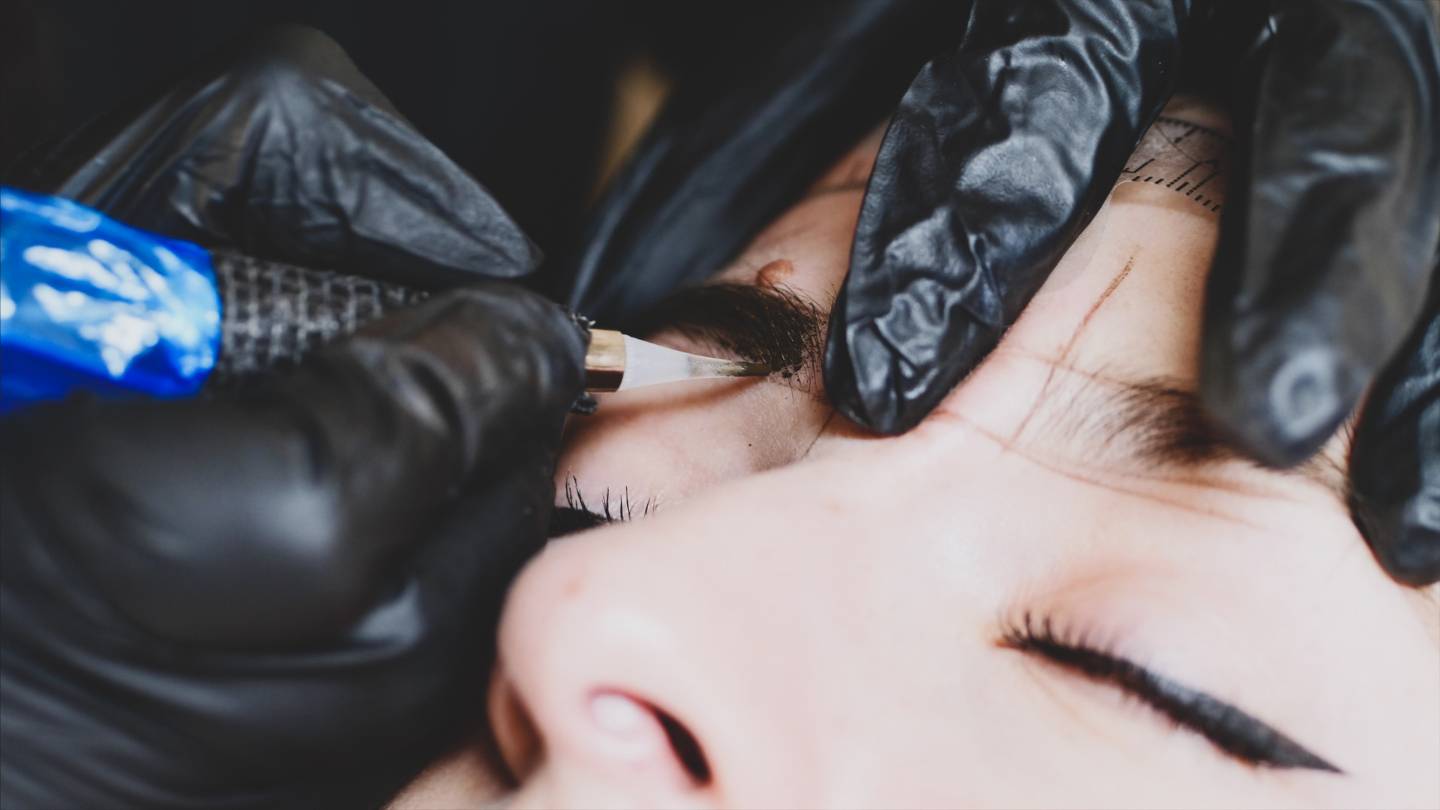
Overview Of Eyebrow Mapping
Skilled artists may do a beautiful job of creating symmetrical, attractive brows using a process called brow mapping. The results will vary for everyone to enhance your unique qualities, even if this is a common procedure.
This technique requires three precise measurements to get the ideal brow shape that complements your eyes and face. The following three measures will be mapped and recorded by your expert using a pencil or a comparable tool:
- The vertical line runs from your nose's dimple to the inner corner of your eye.
- The diagonal line goes from your nose's dimple to the outside of your iris.
- The diagonal line runs from the corner of your nostril to the corner of your eye.
These three places will determine the start, arch, and tail of your microbladed brows.
Eyebrow Microblading Shapes
Before your microblading appointment, researching various eyebrow shapes is a good idea. Ultimately, your brows should be sculpted to complement your characteristics. To have a more educated conversation with your artist, being aware of the most prevalent eyebrow shapes is helpful.
To maximise their recommendations' effectiveness and ensure they match your intended outcomes, it is helpful to have a basic awareness of your facial structure and brow shape.
A brow's length, width, arch, height, and placement are all uniquely defined characteristics of every given design.
Short & bushy brows, elongated tail brows, S-shaped brows, sharp high archways, barely-there arches, round brows, straight brows, mid arches, tapering brows, and many more are among the most common brow shapes.
Choose The Right Eyebrow By Skin Tone
Choosing the perfect eyebrow shade for you is heavily influenced by your skin tone. Knowing your skin's undertone can help you choose the perfect eyebrow shade for your next Microblading appointment. Individuals endowed with a pink undertone are more prone to sunburns.
Another thing is that they don't get too tanned. These groups have more leeway in choosing their eyebrow colour, ranging from neutral white and grey to blue and green.
However, warm-toned colours look great on naturally yellow-toned people since, in contrast to the former, they can readily. People with mixed features may pull off various eyebrow colours, from warm to cool, and still look beautiful.
Research The Fitzpatrick Scale
Permanent makeup professionals worldwide use the Fitzpatrick Scale to determine the best way to apply cosmetics to clients' skin. Several aspects are considered, including how your skin looks in the mirror, your genetic makeup, your reactions to the sun, and your susceptibility to tanning.
The Fitzpatrick Scale, developed in 1975 by dermatologist Thomas Fitzpatrick of Harvard University, categorises skin types into six distinct groups:
Very Fair:
- Looks like freckles, extremely pale white skin, blue, grey, or green eyes, and red or blonde hair.
- My Skin Burns Every Time We Get Sunlight, But It Never Tans
- Albinos, English, and Celts are common ancestors.
Fair:
- Look: Light-skinned, blue-gray-green eyes, reddish-blonde hair, sometimes light brown hair
- Very Sensitive to Sunlight; Very Rarely Gets a Tan (With Difficulty)
- Northern European is the most common ethnic background.
Medium:
- Physical Characteristics: Medium-White to Light Olive-Toned Skin; Blue, grey, green, hazel, or brown eyes; chestnut, dark blonde, light brown, or brown hair.
- Reaction to Sunlight: Occasionally, Light Burns May Occur, and Tans May Develop Gradually
- Most Members Come From Central and Germanic Origins
Olive:
- Physical Features: Honey, caramel, olive skin, hazel or brown eyes, light brown, brown, or dark brown hair
- Reaction to Sunlight: Very Light Burns, Very Easy Tans
- Common Ethnic Origins: Native Americans, Latinos, Mediterranean, Southern Europeans, Middle Easterners, East Asians
Brown:
- Physical Characteristics: Brunette Hair, Brown or Black Eyes, and Brown Skin
- Reaction to Sunlight: Tans Quickly, Burns Very Infrequently
- Origins from the Middle East, Latin America, Asia, Africa, and South Asia
Deep Brown/Black:
- Characteristics: Rich, dark brown hair, dark brown or black eyes, and rich, dark brown or black skin.
- Reaction to Sunlight: Very Easily Tans, Never Burns
- African, Aboriginal, and South Asian descent are common ancestries.
Consider The Undertones Of Your Skin
After you've figured out which of the six skin types is most similar to yours, think about your skin's undertones to get the shade of microblading pigment that will look best on you. Choosing the right microblading eyebrow colour for your skin tone while achieving the desired effects requires understanding colour theory.
Use the vein or jewellery test to determine if your undertones are warm, cool, or neutral. When inspecting your wrist veins, blue Veins imply cool or pink undertones to the skin, whereas green veins indicate warm or yellow undertones. You probably have a neutral skin tone if your veins are bluish-green.
So that the red and greenish-bluish undertones of your microblading pigment shades complement each other when applied to the skin, choose shades opposite from your natural complexion.
If your skin tone is neutral, you can be more flexible when choosing the microblading brow shade to achieve your desired effect. When choosing a neutral-toned pigment shade, consider what shade of brown—taupe, light, medium, or dark—will look best on your eyebrows.
To ensure the pigment settles & heals properly into the skin, your PMU artist will assess your skin tone and formulate a unique pigment colour to meet your specific requirements. If your pigment has a strong yellow or pink undertone, they may apply a modifying shade to neutralise it.
Nobody plans on leaving a microblading session with eyebrows that are blue or crimson. For redheads who wish to tone down the redness in their eyebrows, pigments with a hint of golden undertone are a great choice because they neutralise bluish undertones.
Learn Colour Theory For Microblading
The skin tones of clients with cool undertones might range from porcelain to pale or very fair, and they typically have rosy complexions. Shades of microblading pigment with cool, ashy, or yellow undertones are ideal for these people's skin types.
For clients with lighter complexions / sparser brows, it's recommended to choose warm-neutral tones like yellow, golden, or olive-based pigments rather than very heated shades like orange or red.
Choose a taupe or dark blonde (with a golden undertone) eyebrow pigment hue if your hair is naturally strawberry blonde or light red. Extremely fair skin or sparse eyebrows could seem unattractive when using microblading pigment shades with strong red undertones.
People whose complexion or hair has neutral undertones often have a golden or peach hue. This is the skin type that most of our clients have, whether they are European or Asian. Most brown or ash tones look great on customers with neutral undertones when choosing the right microblading pigment.
On the other hand, you should exercise caution while applying any pigment shade with warmer undertones to clients whose skin has a slightly more pink tone (common with more freckles that extend onto the chest). People with neutral peach undertones might use a cooler-toned, ashy pigment hue to avoid having orange or red eyebrows when the healing procedure is complete.
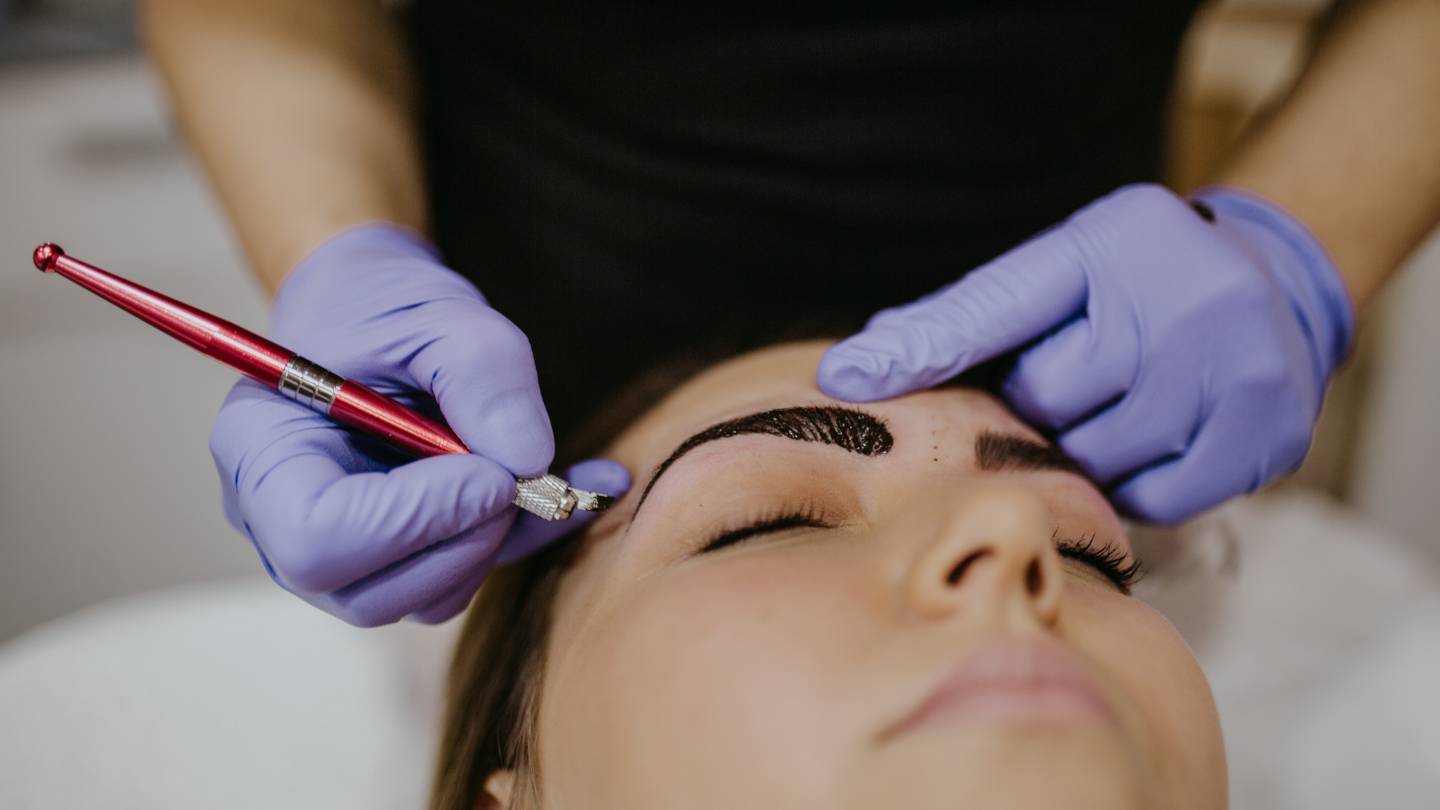
Whether To Go Bold Or Natural
The level of fullness you're going for in your brows is another factor to consider when choosing a microblading pigment shade: warm, neutral, or cold.
Microblading hues with warmer undertones may be a great choice for those seeking fuller, more noticeable brows. Your PMU artist can use a neutral (yellow-based) or slightly cool-toned pigment shade to give your brows a new look if you want a more subtle, natural look.
No matter your skin tone or undertone, these neutral or cool-toned shades will look great as a filler shade for your brows because they appear as blonde or light brown on the skin.
Conclusion
This guide provides a comprehensive guide on choosing the right microbladed eyebrow shapes and colors for enhancing your face characteristics. It explains that choosing the right eyebrow shape depends on your facial structure, which can be described in seven forms: round, oval, square, heart, diamond, oblong, and pear. To determine the most flattering shape or color, you should examine your face's dimensions, such as jawline, cheekbones, chin, and the ratio of your face's length to its width.
Eyebrow mapping is a process that involves three precise measurements: the vertical line from your nose's dimple to the inner corner of your eye, the diagonal line from your nose's dimple to the outside of your iris, and the diagonal line from the corner of your nostril to the corner of your eye. These measurements determine the start, arch, and tail of your microbladed brows.
Before your microblading appointment, researching various eyebrow shapes is essential to have a more educated conversation with your artist. A brow's length, width, arch, height, and placement are all uniquely defined characteristics of every given design. Common brow shapes include short & bushy brows, elongated tail brows, S-shaped brows, sharp high archways, barely-there arches, round brows, straight brows, mid arches, tapering brows, and more.
Choosing the right eyebrow shade is heavily influenced by your skin tone. People with a pink undertone are more prone to sunburns and have more leeway in choosing their eyebrow color. Warm-toned colors look great on naturally yellow-toned people, while people with mixed features can pull off various eyebrow colors and still look beautiful.
The Fitzpatrick Scale, developed in 1975 by dermatologist Thomas Fitzpatrick, categorizes skin types into six groups: Very Fair, Fair, Medium, Olive, Brown, and Deep Brown/Black. These groups are influenced by various factors such as genetic makeup, sun reactions, and tanning susceptibility.
To choose the right microblading pigment shade for your skin tone, consider your skin's undertones. Use vein or jewelry tests to determine if your undertones are warm, cool, or neutral. Choose shades opposite from your natural complexion to complement the red and greenish-bluish undertones of your microblading pigment shades. If your skin tone is neutral, you can be more flexible when choosing the shade.
Cool undertones are ideal for clients with porcelain to pale or very fair skin tones, typically having rosy complexions. For lighter complexions or sparser brows, warm-neutral tones like yellow, golden, or olive-based pigments are recommended. Taupe or dark blonde pigment hues are suitable for naturally strawberry blonde or light red hair. For neutral undertones, use a taupe or dark blonde pigment hue.
Fullness in brows is another factor to consider when choosing a microblading pigment shade: warm, neutral, or cold. Warmer undertones may be a great choice for fuller, more noticeable brows, while neutral or cool-toned shades will look great as fillers for your brows.
Content Summary
- Embarking on the journey to find the perfect microbladed eyebrow shapes and colours can be both exciting and overwhelming.
- Striking a balance between form and colour is crucial to accentuate your facial features with microbladed brows.
- This comprehensive guide helps you navigate the world of microbladed eyebrow shapes and colour combinations tailored to your complexion and style.
- Whether you're a seasoned pro or a beginner, understanding eyebrow design is essential for achieving natural-looking microbladed brows.
- Identifying your facial shape, such as round, oval, square, heart, diamond, oblong, or pear, is the first step in choosing the right eyebrow style.
- Assessing jawline, cheekbones, chin, and face length-to-width ratio helps determine your fundamental facial shape.
- The eyebrows should enhance, not compete with, your facial features.
- A high arc suits a round face, reducing the appearance of facial fat.
- Heart-shaped faces benefit from low arches with subtle curved lines to avoid an overdone look.
- Square faces look great with strong, well-balanced eyebrows emphasizing the top half of the face.
- Oval faces can opt for delicately sketched eyebrows with a few angles for a relaxed and admired appearance.
- Straight eyebrows are recommended for those with long faces to create a shorter look.
- Having your eyebrows done by an experienced specialist alleviates concerns about shape and colour choices.
- Eyebrow mapping, a process involving three precise measurements, creates symmetrical and attractive brows tailored to individual qualities.
- The vertical, diagonal, and second diagonal lines determine the start, arch, and tail of microbladed brows.
- Researching various eyebrow shapes before the microblading appointment allows for an informed discussion with your artist.
- Short & bushy, elongated tail, S-shaped, sharp high archways, barely-there, round, straight, mid arches, tapering brows are common shapes.
- Choosing the right eyebrow shade is influenced by your skin tone, with warm and cool tones complementing different undertones.
- Individuals with pink undertones are more prone to sunburns, while warm-toned colours suit yellow-toned people.
- The Fitzpatrick Scale categorises skin types into six groups, guiding the application of cosmetics for optimal results.
- Cool undertones are indicated by blue veins, warm undertones by green veins, and neutral undertones by bluish-green veins.
- Colour theory is crucial in choosing microblading pigment shades, ensuring they complement your natural complexion.
- Clients with cool undertones benefit from microblading pigments with cool, ashy, or yellow undertones for a harmonious look.
- Lighter complexions with sparse brows may choose warm-neutral tones like yellow, golden, or olive-based pigments.
- Strawberry blonde or light red hair pairs well with taupe or dark blonde (with a golden undertone) microblading pigment.
- People with neutral undertones can experiment with brown or ash tones for a suitable microblading pigment.
- Consideration of the level of fullness desired in brows helps determine whether to go for warmer, neutral, or cooler microblading pigment shades.
- Warmer undertones are recommended for those seeking fuller, more noticeable brows.
- A neutral or slightly cool-toned pigment shade is suitable for a subtle, natural look.
- Regardless of skin tone, neutral or cool-toned shades work well as filler shades for a blonde or light brown appearance.
- Embark on your microblading journey with the goal of enhancing your unique facial features.
- Achieving the perfect balance between form and colour is key for beautiful and natural-looking microbladed brows.
- Understanding your facial shape is crucial in selecting an eyebrow style that complements your features.
- The eyebrows should be in harmony with your facial structure, accentuating rather than overpowering.
- Experienced specialists use eyebrow mapping to create symmetrical and attractive brows tailored to individual characteristics.
- Precise measurements of the start, arch, and tail of microbladed brows ensure a customized and flattering result.
- Researching various eyebrow shapes before your microblading appointment allows for a more informed discussion with your artist.
- Choosing the right eyebrow shade based on skin tone and undertones ensures a harmonious and natural look.
- The Fitzpatrick Scale categorizes skin types, guiding the application of cosmetics for optimal results.
- Understanding colour theory is crucial in choosing microblading pigment shades that complement your natural complexion.
- Clients with cool undertones benefit from microblading pigments with cool, ashy, or yellow undertones for a harmonious look.
- Strawberry blonde or light red hair pairs well with taupe or dark blonde (with a golden undertone) microblading pigment.
- People with neutral undertones can experiment with brown or ash tones for a suitable microblading pigment.
- Consideration of the level of fullness desired in brows helps determine whether to go for warmer, neutral, or cooler microblading pigment shades.
- Warmer undertones are recommended for those seeking fuller, more noticeable brows.
- A neutral or slightly cool-toned pigment shade is suitable for a subtle, natural look.
- Regardless of skin tone, neutral or cool-toned shades work well as filler shades for a blonde or light brown appearance.
- Trust an experienced specialist to guide you in selecting the right microbladed eyebrow shapes and colours.
- Ensure your microblading experience is tailored to your unique characteristics and desired outcomes.
- Enjoy the process of enhancing your brows, knowing that the right choices in shape and colour will highlight your natural beauty.
Frequently Asked Questions
Consider your face shape and features. Consult a professional microblading artist who can analyse your facial features and recommend a shape that complements your natural beauty.
While trends can be inspiring, choosing a shape that suits your face is crucial. Trends may not always enhance your natural features, so prioritise a timeless look that enhances your beauty.
Select a colour that closely matches your natural brow hair. Your microblading artist can help you choose the right pigment based on your skin tone, hair colour, and personal preferences.
Communicate your desired level of boldness with your microblading artist. They can help you choose a slightly darker shade or a more defined shape while ensuring it still looks natural.
Microblading is a semi-permanent procedure, but it's not recommended to make drastic changes immediately after the treatment. Discuss any concerns or desired changes with your microblading artist during consultation.