
Proper aftercare is essential to ensure the longevity and vibrancy of your freshly microbladed eyebrows. Following the procedure, caring for your eyebrows requires attention to detail and patience during the healing process.
Below is a comprehensive guide on how to effectively care for your eyebrows after microblading.
Let’s get straight to the point
Proper aftercare is essential for optimal healing and lasting results after microblading. In the first 24-48 hours, avoid getting your brows wet and keep them clean using sterile water.
Apply a thin layer of aftercare ointment to moisturise, but avoid over-applying. Refrain from makeup, sweating, and sun exposure for the first 7 days.
Expect scabbing and peeling as your brows heal—don’t pick at them! Continue a gentle cleaning routine for 2 weeks and protect your brows from UV rays long-term. Patience is key for beautifully healed brows!
Immediate Care After The Procedure
The first 24-48 hours after microblading are critical for setting the foundation of proper healing. Here’s what to do:
- Avoid getting your eyebrows wet for at least 24 hours after the procedure.
- If there is any fluid discharge, gently blot the area with a clean tissue to absorb excess fluid and prevent scabbing.
- You may experience slight swelling, redness, or tenderness, which is completely normal. Avoid touching the area as much as possible.
- Avoid applying makeup or any skincare products directly on the brows during this period.
Cleaning Your Eyebrows
Proper cleaning of the microbladed area is important to prevent infections and promote healing.
- After the first day, you can gently cleanse the area with sterile water.
- Use a clean cotton pad or fragrance-free baby wipes to pat the area dry.
- Avoid rubbing or scrubbing your eyebrows, as this may disrupt the healing process and affect the pigment.
- Be sure to clean the brows twice a day (morning and night) for the first 7 days.
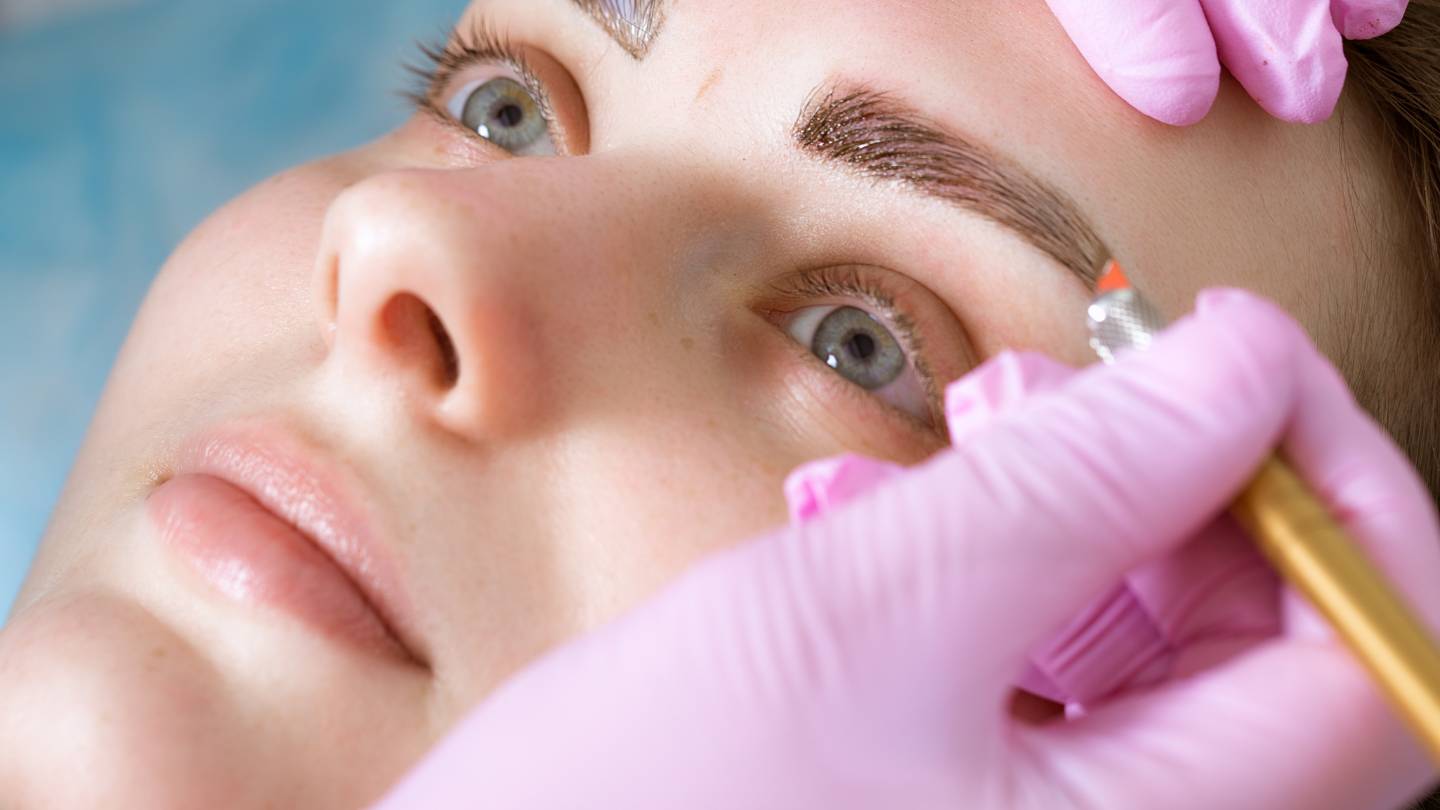
What To Expect During Healing?
Understanding the healing stages can help ease concerns as you go through the process:
- Day 1: Your brows will appear dark and bold. Some swelling and tenderness may be present.
- Days 2-4: The brows may darken further and start to thicken.
- Days 5-7: Scabbing and peeling will begin. Avoid picking at the skin.
- Days 8-14: The brows may appear lighter as they heal, but this is normal. The colour will even out over time.
Moisturising And Aftercare Ointment
During the healing period, your microblading artist will typically recommend applying an aftercare ointment.
- Apply a small amount of the recommended ointment using a clean cotton swab.
- Do not over-apply the ointment. A thin layer is sufficient to keep the area moisturised and protected.
- Common ingredients in aftercare ointments include panthenol, glycerine, and natural oils like coconut oil or avocado oil. These help promote healing and protect the skin from infection.
- For oily skin, dry healing may be recommended to reduce the chance of pigment loss. In this case, blot the brows several times a day to keep them dry.
What To Avoid During The First 7 Days?
Certain activities should be avoided to ensure proper healing:
- Do not get the eyebrows wet outside of the cleaning process. This includes avoiding swimming pools, saunas, and long showers.
- Avoid direct sun exposure as it can cause premature fading of the pigment.
- Do not wear makeup on or around the treated area for at least 10 days.
- Refrain from physical activities that cause excessive sweating. Sweat can irritate the brows and affect healing.
Managing Scabbing And Peeling
Peeling and scabbing are normal parts of the healing process. However, they need to be managed carefully to avoid complications:
- Do not pick or scratch the scabs as they form. This can lead to patchy healing and potential pigment loss.
- Let the scabs fall off naturally to allow for even healing.
- If itching occurs, apply a light layer of aftercare ointment to soothe the area.
Long-Term Aftercare
Once your brows have fully healed, which typically takes 4-6 weeks, long-term care is essential to maintain their look and longevity.
- Use sunscreen daily on the brow area to prevent fading caused by UV rays.
- Avoid using skincare products with acids or exfoliants (like salicylic acid or retinol) near the brows, as these can cause the pigment to fade prematurely.
- Schedule touch-ups as needed, typically every 12-18 months, to maintain the look of your brows.
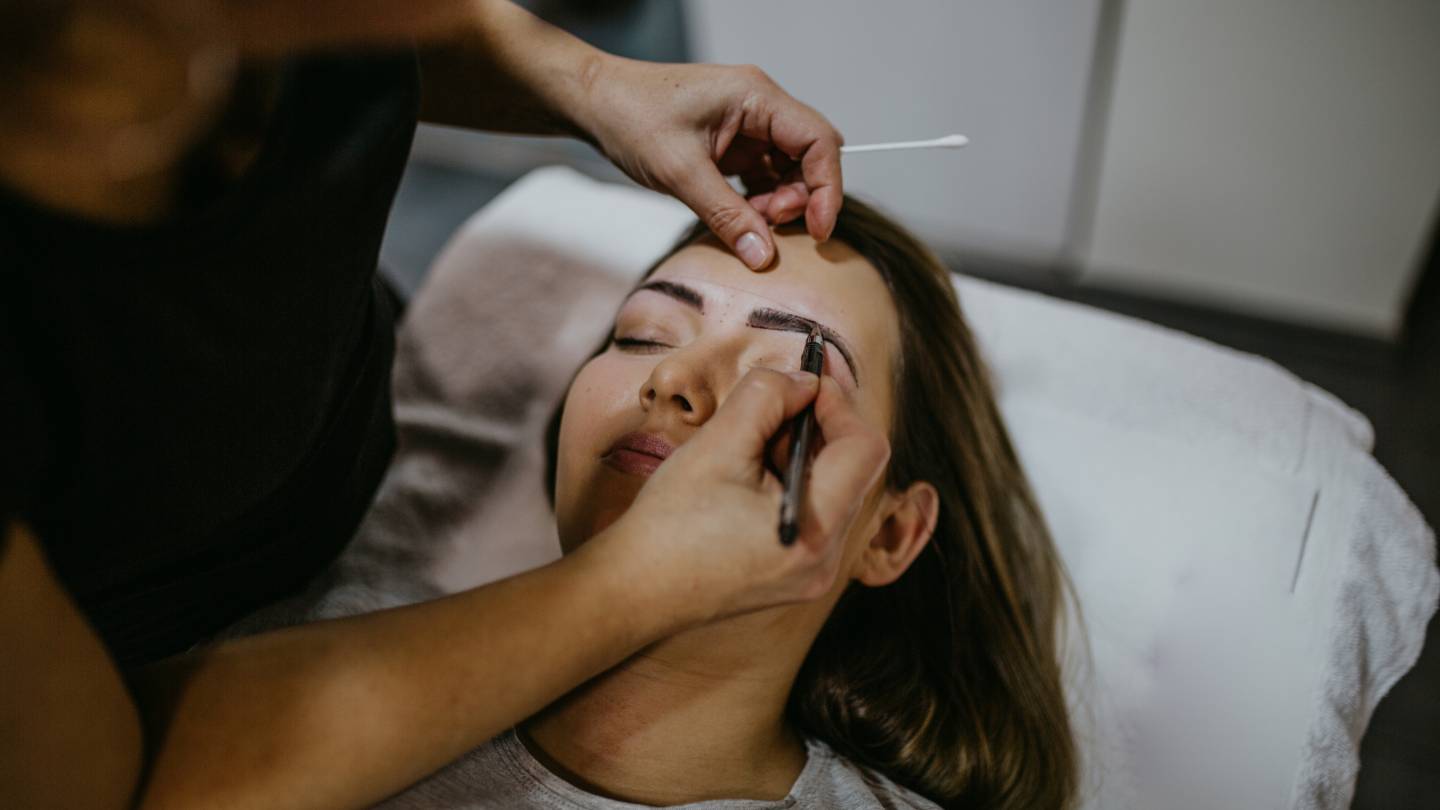
Tips For Successful Microblading Aftercare
Here are some essential tips to ensure the best results from your microblading:
- Follow your artist’s instructions: Always adhere to the specific aftercare instructions given by your microblading artist.
- Stay consistent with your cleaning and aftercare routine, especially during the first two weeks.
- Patience is key: Your brows will go through various stages of healing, including darkening, scabbing, and lightening, before the final result is visible.
- Avoid premature touch-ups: Wait at least six weeks before scheduling a touch-up appointment to ensure your brows have fully healed.
Conclusion
Proper aftercare is vital to ensure the best results from your microblading procedure. By following the recommended cleaning routines, avoiding water and makeup for the first two weeks, and managing scabbing without picking or scratching, you’ll help your brows heal beautifully.
Protect your brows from sun exposure and maintain a long-term care routine to preserve their colour and shape. Lastly, always consult your microblading artist for specific aftercare advice, and be patient with the healing process—consistent care will lead to beautiful, long-lasting results.
FAQs About Microblading
How Long Does It Take For The Eyebrows To Heal After Microblading?
Healing time varies, but the initial healing generally takes about 4-6 weeks. However, the complete healing process may take up to 8 weeks.
Can I Get My Eyebrows Wet After Microblading?
Avoid getting your eyebrows wet for 7-10 days after the procedure. This includes avoiding swimming, saunas, and hot tubs.
Is It Normal For My Eyebrows To Look Darker Immediately After Microblading?
Yes, it’s normal for the colour to appear darker initially. The colour will fade as the skin heals, and the true colour will emerge after a few weeks.
Can I Apply Makeup On My Eyebrows After Microblading?
It’s recommended to avoid applying makeup on the treated area for at least one week to prevent infection and allow proper healing.
How Do I Deal With Itching During The Healing Process?
Itching is common as the skin heals, but it’s important not to scratch. Gently tap or pat the itchy area to avoid disrupting the healing process.