
Eyebrow laser removal is gaining popularity as a go-to solution for those looking to remove unwanted tattoos or achieve perfectly shaped brows without the hassle of regular maintenance. Whether you’re curious about how laser treatments work, the benefits, or the process involved, this guide breaks down everything you need to know.
From long-lasting results to minimal discomfort, laser technology is changing the way people approach brow care. Let’s take a closer look at the key aspects of this cutting-edge method, including safety, the different types of lasers, and what you can expect during and after treatment.
Let’s get straight to the point
Eyebrow Laser Removal is a popular, long-lasting solution for removing unwanted eyebrow tattoos or excess hair. Laser tattoo removal works by breaking down ink particles, while laser hair removal targets hair follicles for permanent reduction.
The process is safe, with minimal discomfort, and precise enough to shape brows without damaging natural hair. Sessions typically take a few minutes, with several treatments needed for full results.
Compared to other methods like waxing or chemical removal, laser treatments offer a permanent, low-maintenance option with fewer risks and side effects.
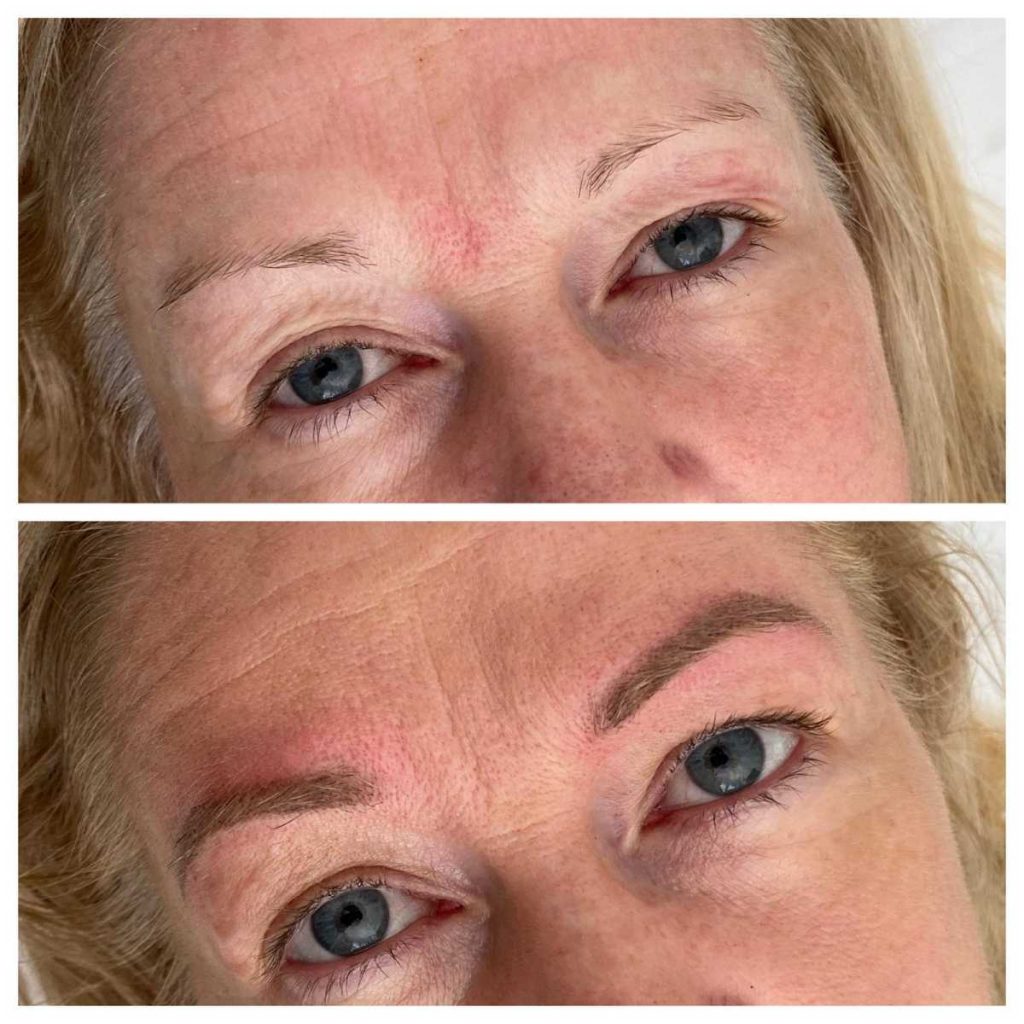
Types Of Lasers Used For Eyebrow Removal
There are two primary types of lasers used in eyebrow tattoo removal:
- Nd (Revlite): A widely used laser for tattoo removal, effective on a range of ink colours.
- Picosecond Laser (PicoSure): Known for faster treatment times and less damage to surrounding skin, the Picosecond laser is particularly effective for removing cosmetic tattoos.
Both types of lasers can be effective in removing eyebrow tattoos, though the choice of laser will depend on the specific requirements of the tattoo, including its colour and age.
Benefits Of Eyebrow Laser Removal
- Permanent Results: Laser removal offers a permanent solution for removing unwanted eyebrow tattoos or shaping eyebrows by removing excess hair.
- Time-Saving: After a series of treatments, laser removal eliminates the need for regular eyebrow maintenance, such as tweezing, waxing, or microblading touch-ups.
- Minimal Discomfort: Most patients report minimal discomfort during the procedure, with any side effects typically resolving within a few days.
- Precise: Laser removal technology allows for highly targeted treatments, whether removing an entire tattoo or just a specific area.
How Eyebrow Laser Removal Works?
Laser Tattoo Removal For Eyebrows
How It Works
Laser tattoo removal targets the tattoo ink embedded in the skin. Lasers emit light pulses that are absorbed by the ink, causing it to break down into smaller particles. Over time, these particles are naturally cleared by the body’s immune system.
Factors Affecting Removal
The number of sessions required to remove an eyebrow tattoo depends on several factors, including:
- Size of the tattoo
- Ink’s colour
- Type of ink used
Treatment Timeline
Generally, most eyebrow tattoos can be removed within 3 to 10 sessions, with each session lasting only a few minutes. Sessions are typically spaced 8-12 weeks apart to allow the skin to heal between treatments.
Laser Hair Removal For Eyebrows
How It Works
Laser hair removal targets the hair follicles rather than ink. A concentrated beam of light is directed at the hair follicle, damaging it and preventing future hair growth.
Ideal Candidates
This procedure is ideal for individuals with:
- Unibrow
- Excessive hair between the eyebrows (glabella)
Advantages
Unlike traditional methods such as waxing or tweezing, laser hair removal offers a permanent solution after a few treatments.
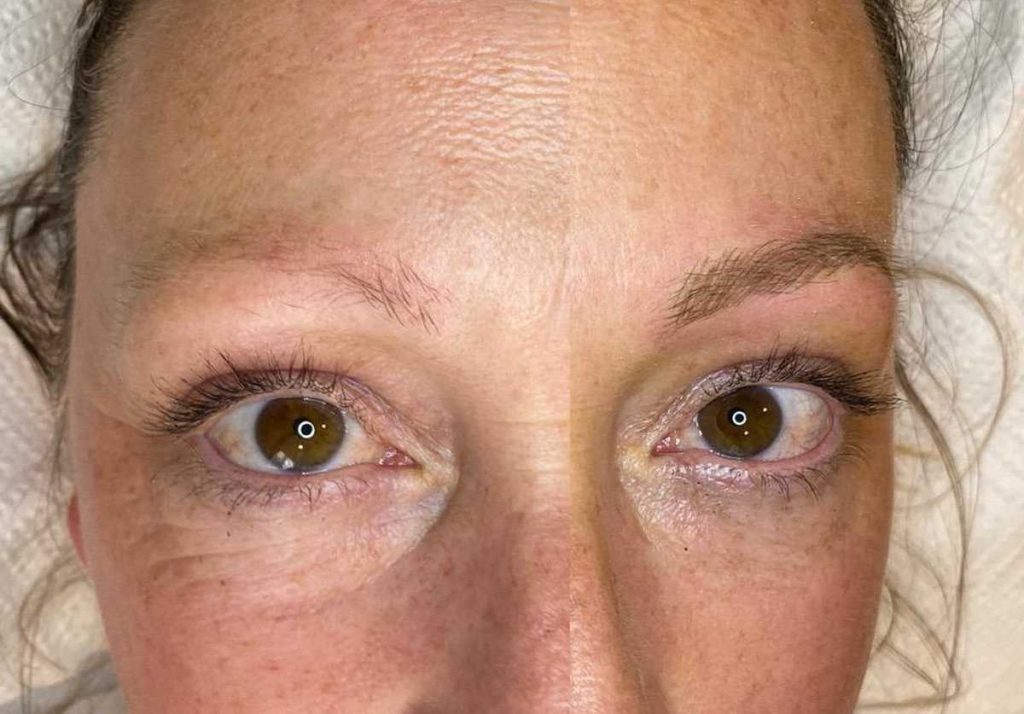
Considerations For Eyebrow Laser Removal
Safety
Eyebrow laser removal is generally safe when performed by a trained professional using appropriate safety measures. It’s important to wear eye protection during the procedure, especially when working close to the eye area.
Clinics in Australia are required to follow strict safety protocols to ensure patient safety.
Side Effects
As with any cosmetic procedure, there are potential side effects. Common temporary side effects include mild redness, swelling, and slight discomfort in the treated area. In some cases, patients may experience blistering or a temporary change in skin pigmentation (lightening or darkening).
These side effects typically subside within two weeks.
Effect On Natural Eyebrow Hair
For those undergoing tattoo removal, there may be concerns about the effect of the laser on natural eyebrow hair. When performed correctly, the laser is focused on the tattoo pigment, minimising the risk of damaging surrounding hair follicles.
However, it’s essential to choose an experienced practitioner to ensure the best results without unwanted hair loss.
Laser Removal Vs. Other Tattoo Removal Methods
Chemical Removal
Chemical removal methods, once popular, involve applying acid-based solutions to the tattooed area. However, due to the risk of skin damage, including burns and scarring, chemical removal has largely fallen out of favour.
It is not recommended, especially for eyebrow tattoos due to the proximity to the eyes and the sensitive nature of the facial skin.
Tattoo Cover-Up
Some individuals opt to cover their unwanted eyebrow tattoo with another tattoo, often using skin-coloured ink. While this can be a quick fix, it can create an unnatural appearance, especially if the colours do not match perfectly.
Over time, the pigments can change, leading to a less desirable result.
Laser Removal
Laser removal is the preferred method for removing unwanted eyebrow tattoos due to its precision, safety, and effectiveness. Unlike chemical or cover-up methods, laser removal addresses the root cause—the tattoo pigment itself—allowing for a cleaner, more natural result.
What To Expect During And After Eyebrow Laser Removal?
During The Procedure
During an eyebrow laser removal session, you will be required to wear protective eyewear to shield your eyes from the laser. The practitioner will then use the laser to target the tattoo pigment or hair follicle.
You may feel a mild stinging sensation during the treatment, similar to the snap of a rubber band against your skin.
After The Procedure
Following the procedure, it’s normal to experience some redness and swelling. The treated area may feel tender for a few hours. Over the next few days, the treated skin may scab as it heals.
It’s important to avoid picking at any scabs to prevent scarring.
Long-Term Care
After each session, it is vital to follow the aftercare instructions provided by your practitioner. This may include applying a soothing cream to the treated area, avoiding direct sunlight, and refraining from using makeup or harsh skin products on the treated skin.
Most patients notice improvement within a few weeks, with the tattoo gradually fading after each session. Full results are typically seen after completing the recommended number of sessions.
How Many Sessions Are Required For Eyebrow Laser Removal?
The number of sessions required for complete tattoo removal varies based on several factors:
- Tattoo Size: Smaller tattoos usually require fewer sessions.
- Ink Colour: Darker inks, such as black, are generally easier to remove than lighter colours like green or yellow.
- Tattoo Age: Older tattoos tend to fade more easily with laser treatment.
Most eyebrow tattoos require between 3 and 10 sessions for complete removal, with each session lasting just a few minutes. For laser hair removal, a similar number of sessions may be needed to achieve the desired result.
Conclusion
Eyebrow laser removal offers a safe, effective, and long-lasting solution for those seeking to remove unwanted eyebrow tattoos or achieve perfectly shaped brows. Whether you’re opting for tattoo removal or hair reduction, laser treatments provide precise, targeted results with minimal discomfort.
Compared to traditional methods like waxing, tweezing, or chemical removal, laser technology offers a more permanent approach with fewer risks of side effects such as scarring or unnatural outcomes. By working with a skilled professional and following proper aftercare, you can enjoy beautifully shaped brows or a tattoo-free look with little maintenance.
As technology continues to advance, eyebrow laser removal stands out as a go-to choice for anyone looking to enhance their appearance with convenience and confidence.
FAQs About Laser Removal
Is Laser Good For Eyebrows?
With the help of laser hair removal, the hair in between your eyebrows can be permanently removed, leaving you with perfect eyebrows. Those painful sessions of tweezing and waxing can be a thing of the past.
Can You Laser The Middle Of Your Eyebrows?
Laser hair removal for the mid-brow (between the eyebrows) is a common treatment for both men and women alike. Laser hair removal offers you the luxury of silky-smooth and ready-for-anything skin all year round. Treatments are fast, effective and affordable!
Should I Laser My Unibrow?
It should be performed by well-trained laser technicians under the direction and guidance of a healthcare provider. The process works by directing laser light beams at the unibrow area to prevent future hair growth. Results are supposed to be permanent, but in reality, the procedure decreases the rate of hair growth.
How Many Laser Sessions Does It Take To Remove Eyebrows?
The main differences between cosmetic tattooing and traditional body tattoos are the techniques and types of ink compounds used; fortunately, cosmetic tattoos are usually much easier to remove, and most cosmetic eyebrow treatments take between 3-6 laser sessions, spaced at 8-12-week intervals.
How Often Do You Need To Get Your Eyebrows Microbladed?
As mentioned above, microblading can last anywhere from 18 to 30 months. In general, it requires touch-ups once or twice a year. Once pigment from the procedure begins to noticeably fade, you’ll need to go back to your practitioner for a touch-up application.