
Eyebrows are a defining feature of our face, playing a significant role in our overall expression and appearance. With trends like microblading becoming popular, many people wonder about the impact such procedures have on natural hair growth.
Whether you’re considering microblading or simply curious about how to maintain healthy brows, it’s important to understand the factors that influence eyebrow regrowth and how to care for them post-procedure.
This guide will help you navigate the process, offering tips on promoting hair growth and ensuring your brows stay full and healthy.
Let’s get straight to the point
Yes, eyebrows grow back after microblading, as the procedure doesn’t damage hair follicles. Microblading only affects the skin’s surface and doesn’t hinder natural hair regrowth. Factors like genetics, age, skin health, and aftercare impact how quickly eyebrows return to normal.
To promote healthy regrowth, avoid tweezing, brush your brows, use growth serums, and consider natural remedies like castor oil or aloe vera. With proper care and patience, your brows will stay full and healthy post-procedure.
The Short Answer: Yes
Eyebrows generally grow back after undergoing procedures like microblading. This process does not damage the underlying hair follicles; instead, it works only on the surface of the skin. Consequently, it should not hinder the natural process of hair regrowth.
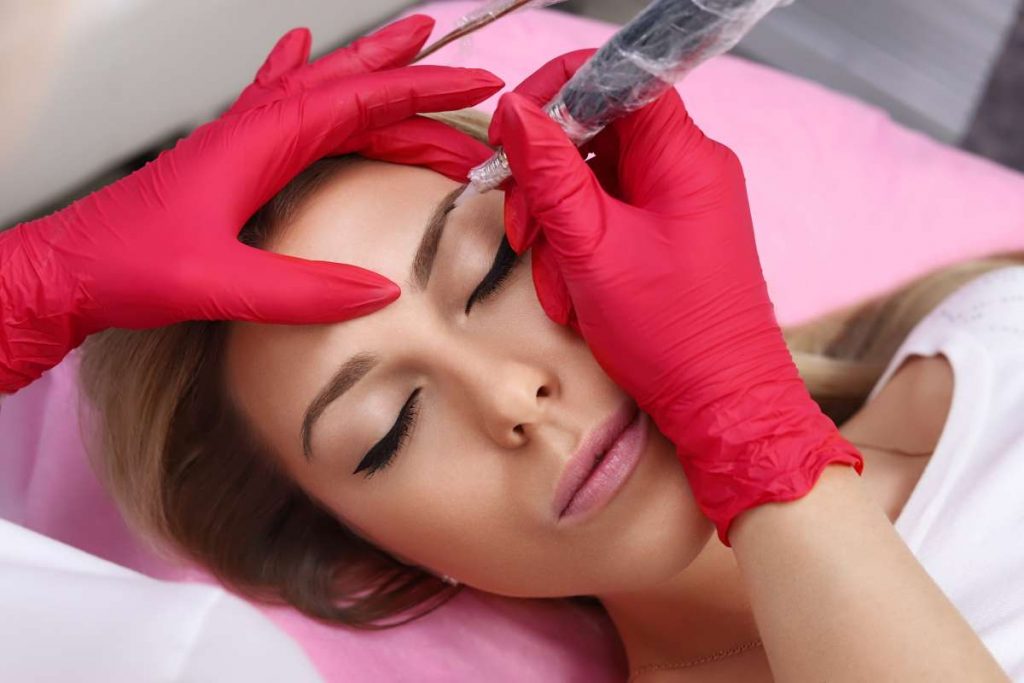
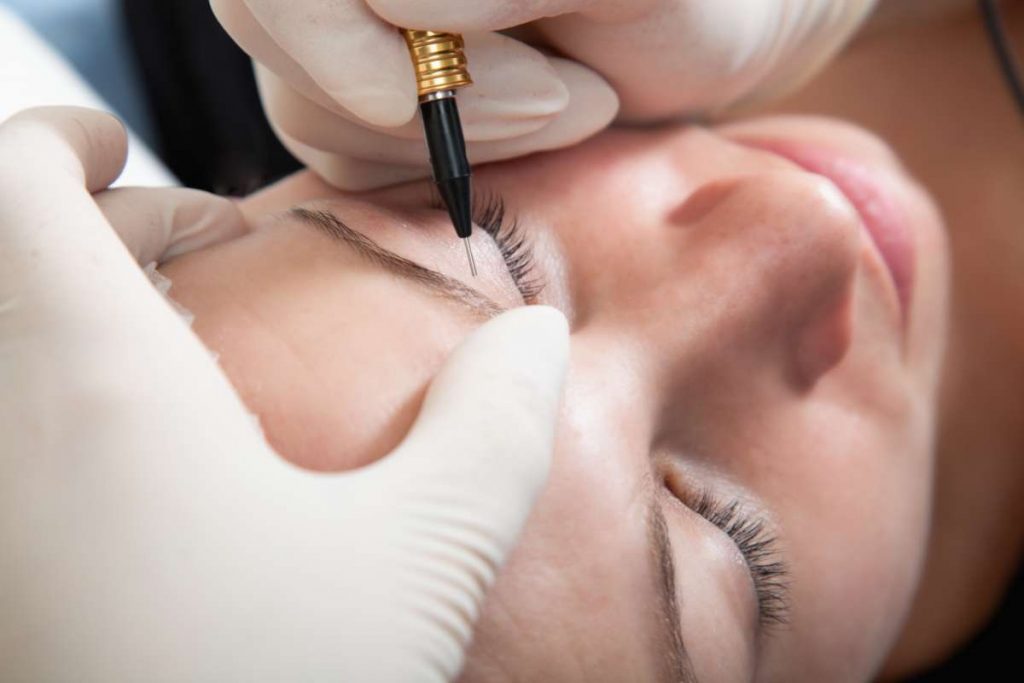
- Microblading is a semi-permanent makeup procedure where pigment is applied in strokes to simulate natural eyebrow hairs.
- The process focuses on the outermost layer of the skin (the epidermis) and doesn’t affect the deeper dermal layer, where the hair follicles reside.
- Post-procedure, people may notice temporary changes in the appearance of their brows, but these changes are typically not permanent.
Factors Influencing Hair Growth
While eyebrows do grow back, the speed and effectiveness of this process can depend on several key factors:
1. Individual Hair Growth Cycles
Each person’s hair growth cycle is different, meaning that regrowth may happen more quickly for some than others. Several factors contribute to the variation in growth speed:
- Genetics: Hair growth is largely influenced by your genetic makeup. If your family tends to have thicker or faster-growing hair, this will likely influence how quickly your eyebrows return to normal after a procedure.
- Age: As you age, the natural rate of hair growth slows down. Younger individuals may experience faster brow regrowth compared to older adults.
- Health: Overall health plays a role in how effectively your body can regenerate hair. Conditions like hormonal imbalances, nutritional deficiencies, or stress can all slow down the regrowth process.
- Medications: Some medications, especially those that affect hormones or treat conditions like thyroid imbalances, can either speed up or slow down hair regrowth.
2. Skin Condition
The health of your skin is a critical factor in how well your eyebrows grow back after microblading.
- Healthy skin supports optimal hair regrowth, providing a clean, nourished environment for hair follicles.
- Damaged skin, on the other hand, can slow or hinder regrowth. If the skin is irritated or inflamed, hair follicles may struggle to produce new hairs as effectively.
- Conditions like eczema or psoriasis can impact eyebrow growth by causing chronic irritation in the affected area.
3. Aftercare Practices
Proper aftercare is essential to promote healthy hair growth and to ensure that your skin heals well after a microblading session. Neglecting aftercare can lead to complications, including scarring or irritation, which could negatively impact hair regrowth.
- Following the microblading artist’s aftercare instructions is vital. Instructions often include avoiding water exposure, sweat, or makeup on the area for a few days post-procedure.
- Keeping the area moisturised and clean will also help prevent infection and promote faster healing, which in turn supports healthier hair regrowth.
Promoting Eyebrow Growth After Microblading
Even though microblading does not prevent natural hair regrowth, there are several ways to enhance the process and ensure that your eyebrows return to their full, healthy state.
1. Tweezing And Waxing
One of the simplest yet most effective strategies to promote natural eyebrow growth is to avoid tweezing or waxing your brows.
- Tweezing and waxing remove hair at the root, which can disrupt the hair growth cycle.
- Letting your brows grow freely allows the hair to naturally return to its full state without any interruptions.
2. Consult A Brow Specialist
Regular visits to a brow specialist can be beneficial for shaping your brows while allowing them to grow back naturally. Brow specialists have expertise in shaping eyebrows in ways that enhance their fullness without removing too much hair.
- Professionals can shape the brows in a way that preserves as much natural hair as possible, ensuring fuller regrowth.
- They may recommend treatments or products to stimulate growth and improve the overall health of your brows.
3. Brush Your Brows
Brushing your eyebrows regularly is a simple and effective method to stimulate blood circulation in the brow area, which can promote healthier hair growth.
- Use a spoolie brush to gently brush the brows in an upward direction.
- This action helps to exfoliate dead skin cells and can stimulate the hair follicles to encourage new hair growth.
4. Use Hair Growth Serums
Consider using eyebrow growth serums designed specifically to promote hair regrowth. These products often contain peptides, biotin, and vitamins that nourish the existing hairs and encourage new growth.
- Look for serums that contain ingredients like peptides to support hair regrowth on a cellular level.
- Vitamin E and other antioxidants help to nourish and protect the skin and hair follicles, promoting healthier hair production.
- Use the product as directed, usually by applying the serum once or twice daily for optimal results.
Natural Remedies For Hair Growth
If you prefer natural methods, several at-home remedies are believed to support eyebrow regrowth. These remedies focus on nourishing the hair follicles and improving overall skin health in the brow area.
1. Castor Oil
Castor oil is one of the most commonly recommended natural remedies for promoting hair growth.
- Rich in ricinoleic acid, castor oil helps to nourish hair follicles.
- Regularly massaging a small amount of castor oil into your brows can provide the nutrients needed to stimulate hair production.
- Apply daily for best results, leaving the oil on for at least 30 minutes before rinsing.
2. Aloe Vera
Aloe vera is well-known for its healing and moisturising properties, making it a great natural solution for promoting hair growth.
- It soothes the skin and creates an ideal environment for hair follicles to thrive.
- Apply fresh aloe vera gel directly to your eyebrows and leave it on for 30 minutes. This not only hydrates but also provides vitamins that aid in hair regrowth.
3. Milk
Using milk as a topical treatment for hair growth may seem unconventional, but milk contains proteins and vitamins that are believed to help stimulate hair follicles.
- Simply dip a cotton ball into a small bowl of milk and dab it onto your brows.
- Leave the milk on your brows for about 15 minutes before rinsing. Repeating this regularly can provide essential nutrients to the hair follicles.
4. Onion Juice
Though its strong smell may be off-putting, onion juice is often recommended for stimulating hair growth due to its high levels of sulfur.
- Sulfur is an essential nutrient for the production of keratin, the protein that makes up hair strands.
- Extract juice from an onion and apply it to your brows for about 15 minutes, then rinse thoroughly. Repeating this once or twice a week can help boost hair density over time.
Conclusion
While microblading is a popular and effective method for enhancing the appearance of your eyebrows, it does not interfere with natural hair growth. With the right aftercare and attention, your brows will typically regrow fully after the procedure.
Factors such as individual hair growth cycles, skin health, and proper care significantly influence how quickly and effectively your eyebrows will return to their natural state. By avoiding tweezing, regularly brushing your brows, and utilising hair growth serums or natural remedies like castor oil and aloe vera, you can further promote healthy regrowth.
With patience and a consistent care routine, your brows can stay full and vibrant, complementing the semi-permanent effects of microblading.
FAQs About Microblading
Will My Eyebrows Go Back To Normal After Microblading?
Microblading healing after a touch-up, It’s normal for permanent makeup to fade over time. Therefore, after your initial microblading session, you’ll need regular touch-ups. This will maintain the shape, color, and definition of your brows. Generally, it’s recommended to get a touch-up every 12 to 18 months.
Does Microblading Stop Your Eyebrows From Growing?
Microblading won’t stop your natural hair growth. One of the top myths being circulated about microblading is that it impacts natural hair growth-it doesn’t. “When done correctly, microblading shouldn’t have any effect on your natural hair growth,” notes Carey.
How Many Times Can You Microblade Your Eyebrows?
As mentioned above, microblading can last anywhere from 18 to 30 months. In general, it requires touch-ups once or twice a year. Once pigment from the procedure begins to noticeably fade, you’ll need to go back to your practitioner for a touch-up application.
How Painful Is Eyebrow Microblading?
Although the procedure can take upward of 2 hours, most people report only feeling minor pressure or discomfort and less pain than a typical tattoo due to the use of a numbing cream. Of course, this will depend on your own personal tolerance to pain. Some level of pain or discomfort should be expected.
Is Microblading Really Worth It?
So, is microblading worth it? The short answer to this question is yes, eyebrow microblading is definitely worth it. Especially considering the amount of talent and experience semi-permanent makeup artists have today, there’s no going wrong when getting an eyebrow.